 Sand Aggregate IndustryComprehensive Service ProviderSand Aggregate IndustryComprehensive Service Provider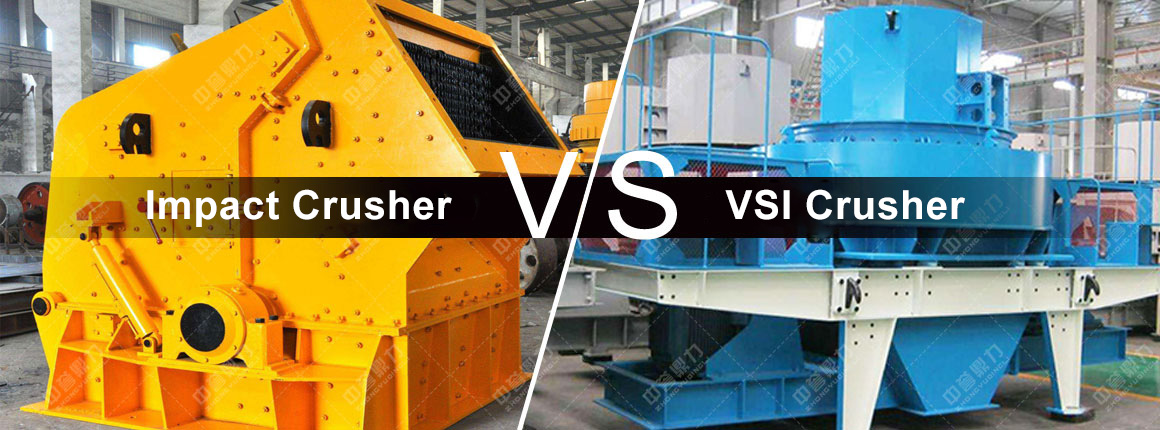
In the crushing industry, both impact crushers and vertical shaft impact crushers (often referred to as VSI crushers) play crucial roles in aggregate production lines. However, these two types of crushers differ significantly in terms of structure, performance, and application areas. This article provides a detailed overview of the characteristics of impact crushers and VSI crushers and offers practical advice on how to select the best option based on your needs.
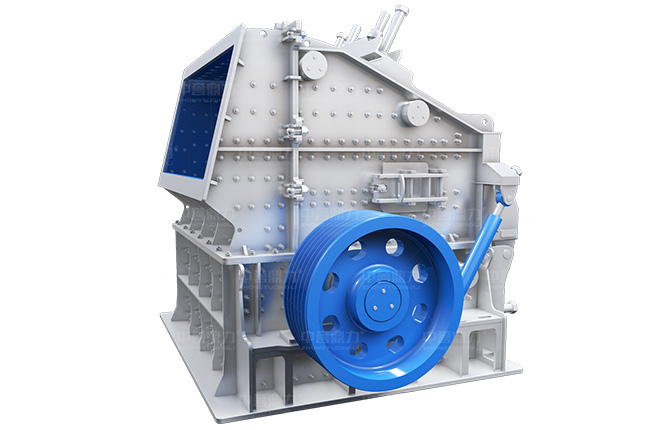
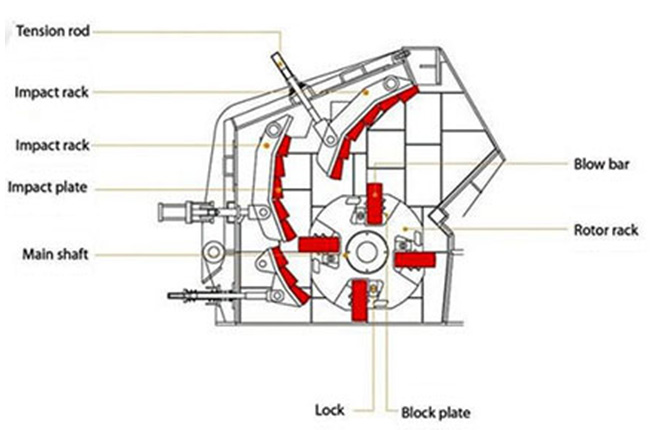
Composed mainly of a frame, transmission mechanism, impact plate, and rotor.
The frame is divided into upper and lower sections, which are bolted together for easy assembly and maintenance.
The impact plate is suspended inside the crushing chamber to withstand the impact of the material.
The rotor and liner plates are key wear parts; the rotor is typically made of a solid cast steel structure.
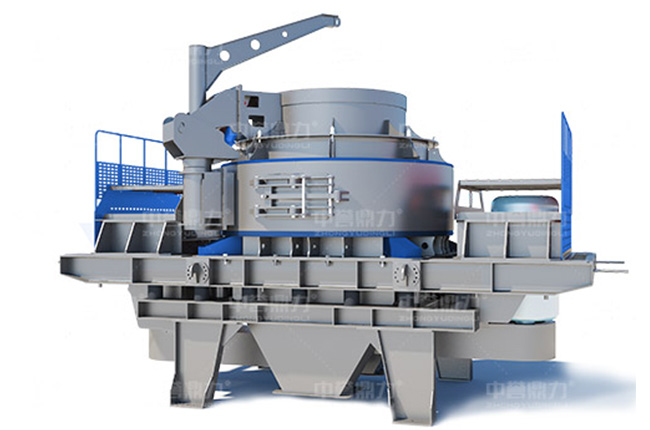
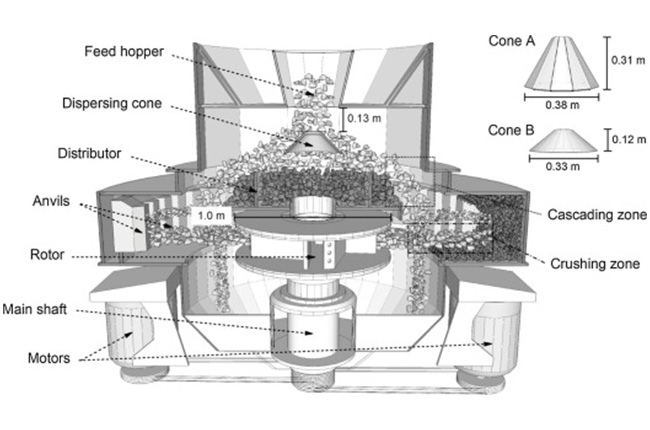
Consists of a feed hopper, distributor, vortex crushing chamber, impeller, main shaft assembly, base transmission device, and lubrication system.
The impeller is a hollow cylindrical component made of special materials, mounted on the top end of the main shaft assembly, and is a critical component of the VSI crusher.
The vortex crushing chamber employs both "stone-on-stone" and "stone-on-iron" principles to ensure efficient sand production.

Material is subjected to both the impact of hammers and the repeated impacts between the material and the impact plate as well as between the materials themselves.
Utilizes both impact and counterattack actions, making it particularly suitable for crushing larger pieces of material.
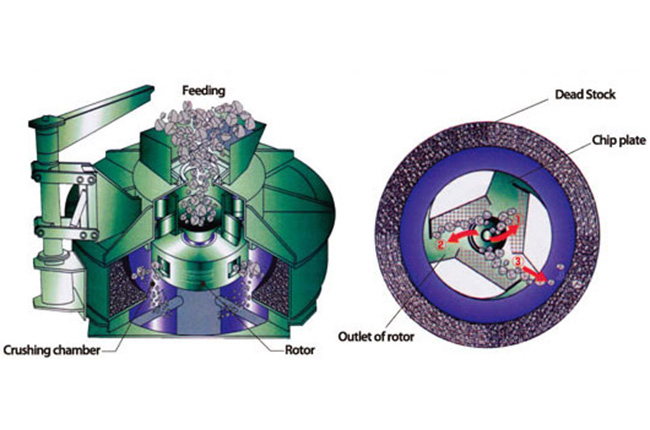
Uses impact force to operate; material enters the crushing chamber through the feeder, where it is ground and impacted against each other.
Combines "stone-on-stone" and "stone-on-iron" working principles, resulting in higher sand production efficiency and better particle shape.
Suitable for processing materials with a side length not exceeding 500mm and a compressive strength not exceeding 350MPa, such as granite, limestone, and concrete.
Output particle size is typically in the range of crushed stone (5-40mm), making it suitable for highway construction, water conservancy projects, and building stone processing.
Mainly used for producing manufactured sand, with raw materials including river pebbles, limestone, granite, basalt, ore tailings, quartz sand, and construction waste.
Output particle size is fine sand (less than 4.75mm), ideal for high-grade highways, high-speed railways, bridges, airport runways, municipal engineering, and high-rise buildings.
Regular Inspections: Regularly check the wear conditions of the impact plates and rotor. Replace worn parts promptly to ensure proper operation.
Cleaning and Maintenance: Periodically clean accumulated dust inside the equipment to ensure the effectiveness of the impact plates and the smoothness of the crushing chamber.
Lubrication System: Regularly inspect and replace lubricating oil. Ensure proper lubrication of the transmission system and other moving parts to reduce wear and prevent malfunctions.
Impeller Inspection: Regularly check the wear condition of the impeller, especially after high-load operation, to ensure it is functioning correctly.
Vortex Chamber Maintenance: Periodically clean accumulated materials in the vortex crushing chamber to avoid operational issues.
Lubrication System Care: Regularly check the lubrication system, including oil pumps, oil lines, and oil levels. Ensure the lubrication system operates correctly and the oil remains clean.
Environmental Performance: Impact crushers can produce a significant amount of dust during operation. Dust collection systems are needed to minimize environmental pollution.
Noise Control: These crushers are relatively noisy. Measures such as installing noise enclosures and setting up noise barriers can help reduce the impact on the surrounding environment.
Environmental Performance: VSI crushers typically come with advanced dust suppression systems that help control dust emissions, adhering to modern environmental standards.
Noise Control: While VSI crushers generally have lower noise levels, measures such as noise enclosures and noise walls are still recommended to mitigate environmental noise impact.
Particle Shape Requirements: If there is a high requirement for the shape of the finished sand particles, a VSI crusher is recommended.
Material Size: For larger-sized materials, consider using an impact crusher for primary crushing.
Production Scale: For large-scale production, a VSI crusher might be more suitable due to its capacity and stability.
Cost Considerations: From a long-term operational perspective, although VSI crushers may have a higher initial investment, their lower maintenance costs could make them more economical in the long run.
While both impact crushers and VSI crushers are essential in the crushing industry, they differ significantly in structural design, working principles, and application areas. The choice between the two should be based on specific application scenarios and requirements. If you focus on the quality of the finished sand particles or need to produce a large quantity of manufactured sand, a VSI crusher is likely the better option. Conversely, if you are dealing with larger-sized materials or need primary crushing, an impact crusher would be a suitable choice.
Are you still hesitating about how to choose a crushing equipment? Click the button below to learn more details
Chat Online
Free consultation on related issues.