 Sand Aggregate IndustryComprehensive Service ProviderSand Aggregate IndustryComprehensive Service Provider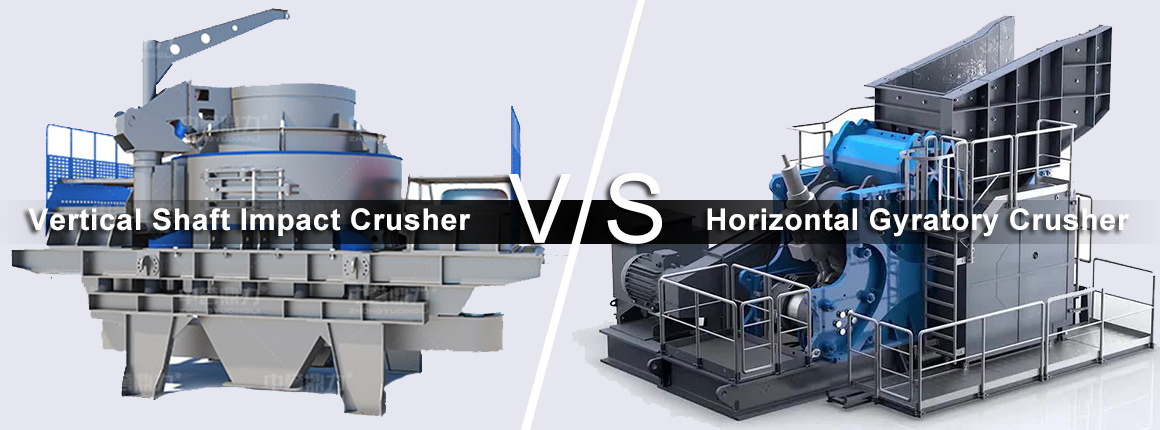
In the field of crushing and sand making, both the Vertical Shaft Impact Crusher (VSI) and the Horizontal Gyratory Crusher (HGC) are essential equipment. These two machines serve distinct roles, and understanding their differences is crucial for selecting the right equipment for your needs. This article provides an in-depth comparison of the VSI crusher and the HGC, covering their structure, working principles, performance, and applications.
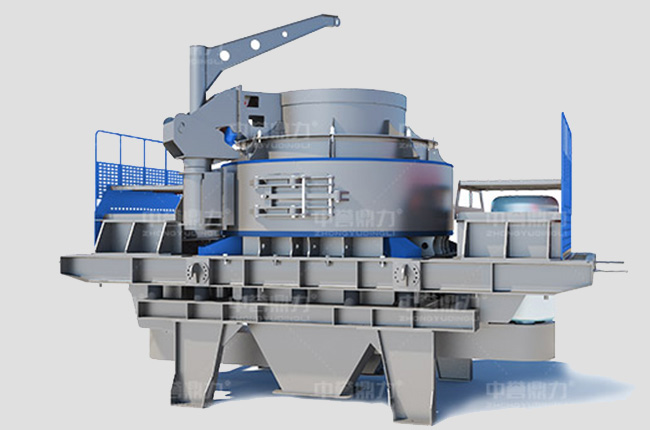
The VSI crusher features a vertical design where the rotor is positioned vertically inside the machine. The material enters the chamber from above and is divided into two streams by a distributor. One stream is fed directly into the rotor, and the other falls around it. The design includes a deep cavity and multiple feed ports to enhance material throughput.
This crusher is ideal for fine crushing and shaping, with the ability to handle soft to medium-hard materials.
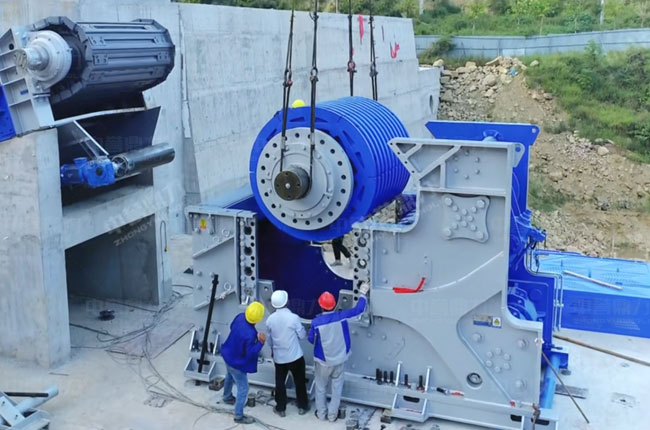
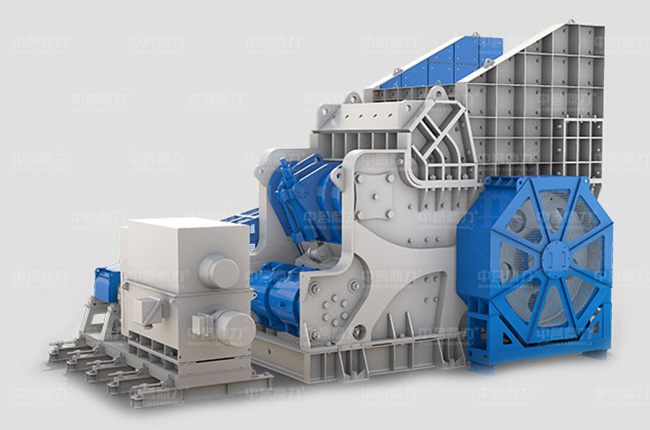
The HGC has a more complex structure, with a heavy-duty frame, an eccentric shaft, a gyratory crushing head, and a concave surface. It features a horizontally oriented shaft that drives the gyratory movement, which efficiently crushes material.
This crusher is designed for high-capacity applications and can process very hard materials.
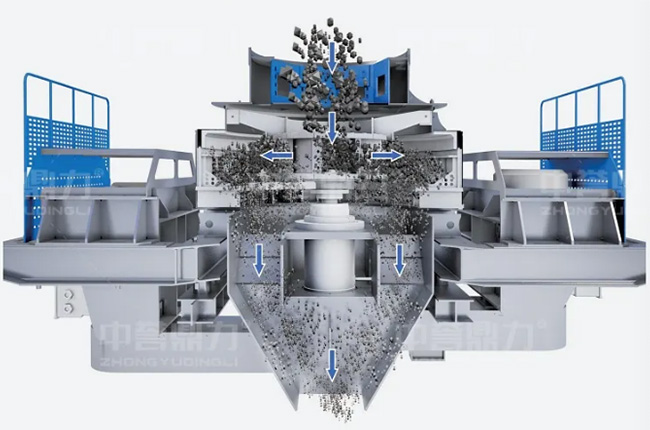
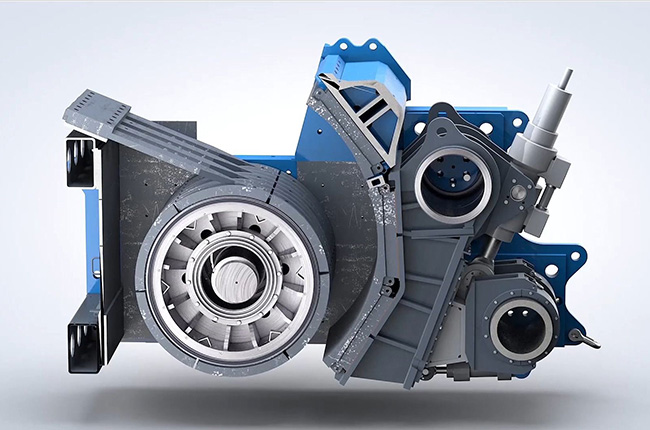
The VSI crusher operates on the principle of using impact energy to crush materials. The material is fed into the machine and accelerated by the high-speed rotor, which then throws the material against a hard surface where it shatters into smaller pieces. The "rock-on-rock" and "rock-on-iron" crushing modes ensure a high-quality output with excellent shape and gradation.
The crusher's design allows for minimal metal contact, reducing wear and tear, and ensuring consistent performance.
The HGC works through a continuous crushing mechanism. The gyratory head moves within a concave surface, and as the material enters the top of the machine, it is crushed as the gyratory head oscillates. The crushed material then falls to the lower chamber, where it is further crushed until it reaches the desired size and exits the machine.
This crusher is highly efficient in producing uniform-sized particles and can handle large feed sizes.
| Parameter | VSI Crusher | Horizontal Gyratory Crusher |
| Feed Size | 40-60mm | Up to 1200mm |
| Output Size | 0-5mm | 70-250mm |
| Crushing Ratio | Medium to High | High |
| Production Capacity | 250-580 t/h | 2500-3500 t/h |
| Suitable Material Hardness | Medium to Hard | Hard |
The VSI crusher is widely used in industries such as cement, construction, and sand production. It is particularly effective for producing high-quality aggregates for concrete and asphalt, making it ideal for sand production and road building.
Its ability to produce fine, uniform particles makes it suitable for projects where particle shape and gradation are crucial.
The HGC is predominantly used in large-scale mining and mineral processing operations, where it crushes tough materials like granite, basalt, and iron ore. Its high-capacity design makes it essential for handling large volumes of material efficiently.
This crusher is commonly employed in primary crushing applications, where its robust design ensures longevity and reliability under heavy-duty conditions.
High Production Rate: The VSI crusher’s design allows for higher material throughput, achieving nearly 600 tons per hour.
Excellent Particle Shape: The dual crushing modes result in a cubic particle shape, ideal for high-quality sand production.
Intelligent Lubrication: The VSI crusher features an advanced oil lubrication system with cooling and heating controls, ensuring optimal operation.
Large Feed Capacity: The HGC can handle feed sizes up to 1200mm, making it suitable for large-scale operations.
Durable Design: The gyratory movement ensures even wear of the crushing surfaces, extending the life of the machine’s components.
Smart Control System: Equipped with advanced control systems, the HGC allows for parameter adjustments, real-time monitoring, and remote operation.
Both the VSI crusher and the Horizontal Gyratory Crusher offer unique advantages depending on the application. The VSI crusher excels in producing finely crushed, well-shaped particles, making it ideal for sand production and fine crushing applications. Meanwhile, the Horizontal Gyratory Crusher is designed for heavy-duty, high-capacity operations, particularly in the mining industry where it efficiently processes large volumes of hard material. Selecting the right equipment depends on the specific requirements of your project, including material type, desired output, and production scale.
This detailed comparison will help you make an informed decision when choosing between a VSI Crusher and a Horizontal Gyratory Crusher for your crushing and sand-making needs.
Are you still hesitating about how to choose a crushing equipment? Click the button below to learn more details
Chat Online
Free consultation on related issues.