 Sand Aggregate IndustryComprehensive Service ProviderSand Aggregate IndustryComprehensive Service Provider
Cone Crusher
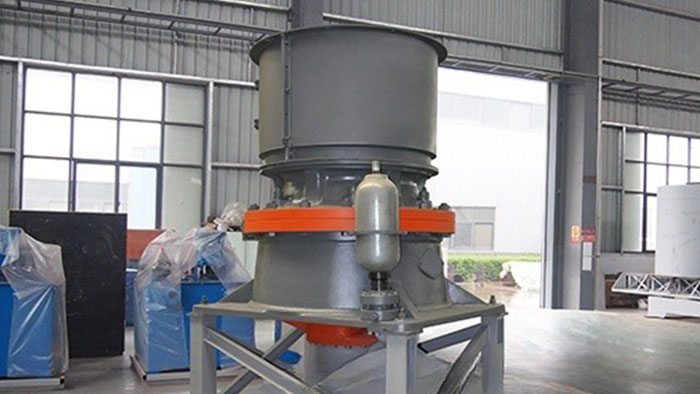
| DimensionModel | HSC250 | |||||
| Cavity Type | S1 | S2 | S3 | H1 | H2 | H3 |
| Maximum feed size (mm) | 450 | 400 | 300 | 215 | 110 | 70 |
| Minimum discharge opening (mm) | 35 | 29 | 25 | 16 | 13 | 8 |
| Processing Capacity (t/h) | 255-605 | 215-515 | 190-490 | 110-395 | 115-340 | 90-255 |
| Motor power (kw) | 250 | |||||
| Machine Dimension (mm) | 2100×2320×4096 | 2100×2320×2780 | ||||
*Note: The processing capacity of the HSC250 cone crusher may vary with different materials and feeding sizes.
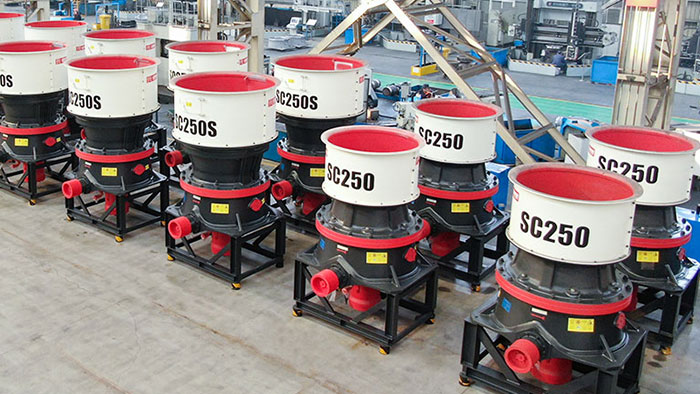

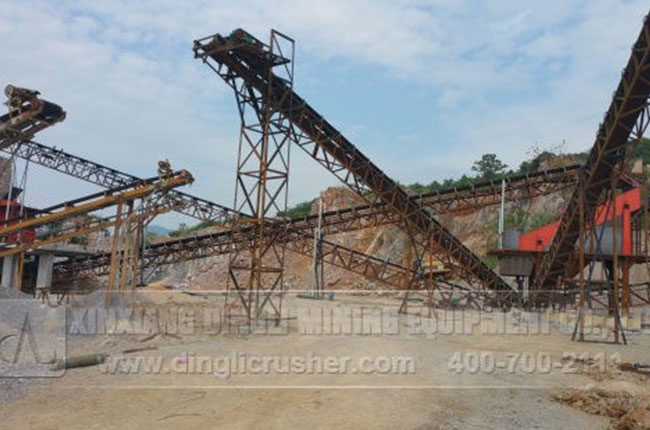
Equipment configuration: PCZ1510 heavy hammer crusher ZGC1038 vibrating feeder 2YK2460 vibrating screen*3 sets Performance feature: reducing costs of 1/3 cubic average and seamless finished materials that popular in customers.
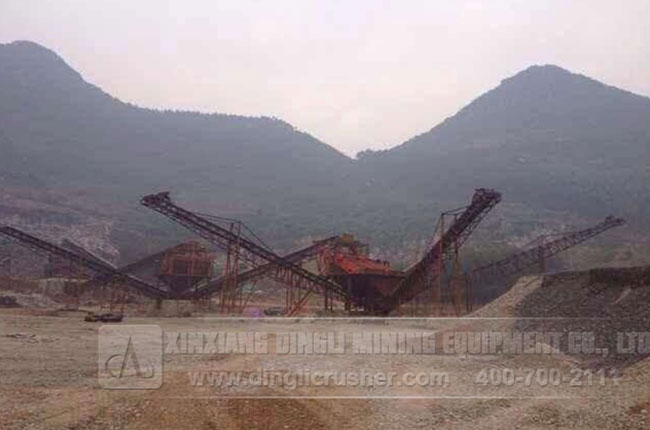
It is vital to select quality production equipment for the first investment of a small-scale stone plant. Dingli’s quality equipment can help the customer for initial investment enter into rapid production.
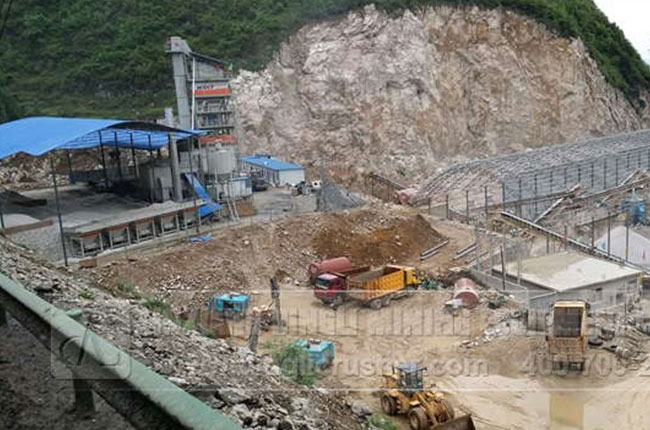
Xinxiang Zhongyu Dingli CO. Ltd. is a professional mining equipment company with crushing and screening equipment designs many aggregates production line and the relative deduster equipment.
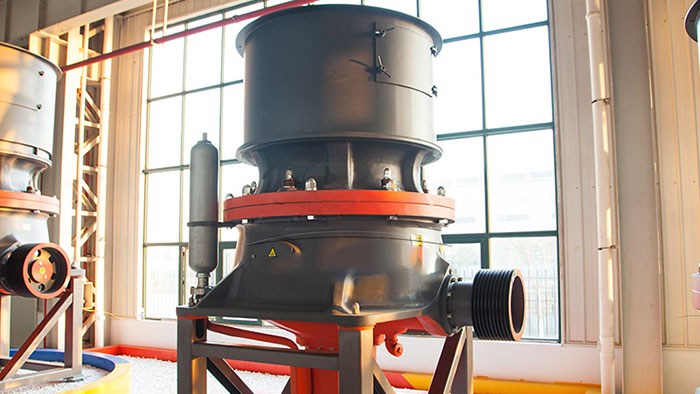
The HSC250 single cylinder hydraulic cone crusher is a vital piece of equipment in industries like mining, building materials, and metallurgy. Proper maintenance is essential to ensure its optimal performance and longevity.
Conduct routine visual inspections to check for any signs of wear, damage, or loose parts. Examine the crusher's body, especially around the areas where the maximum stress is exerted during operation. Look closely at the crushing chamber components, including the crushing wall and the concave. Any cracks, deformations, or excessive wear on these parts can affect the crushing efficiency and the quality of the output. For instance, if the crushing wall shows signs of uneven wear, it might lead to inconsistent particle sizes in the crushed material.
Proper lubrication is crucial for the smooth operation of the HSC250. The moving parts, such as the eccentric sleeve, horizontal transmission shaft, and bearings, need to be regularly lubricated. Use high-quality lubricants recommended by the manufacturer and follow the specified lubrication intervals. Insufficient lubrication can cause increased friction, leading to overheating and premature wear of the components. On the other hand, over-lubrication can attract dirt and debris, which may also damage the parts. Therefore, it's important to maintain the right balance.
Although each cavity type (S1, S2, S3, H1, H2, H3) has its own characteristics in terms of maximum feed size and minimum discharge opening, the general maintenance principles for the cavity remain the same. Periodically clean the cavity to remove any residual materials that may accumulate during operation. These leftover materials can cause blockages and affect the flow of newly fed materials, reducing the crusher's efficiency. Also, check the alignment of the crushing wall and the concave. Any misalignment can lead to uneven wear and inefficient crushing.
The hydraulic system is a key component of the HSC250. Regularly inspect the hydraulic lines for leaks, cracks, or any signs of damage. Check the hydraulic fluid level and ensure it is within the recommended range. If the fluid level is too low, it can affect the performance of the overload protection mechanism and other hydraulic functions. Additionally, test the operation of the hydraulic cylinders to make sure they are functioning smoothly. Any sluggishness or failure in the hydraulic system can disrupt the normal operation of the crusher and even lead to costly breakdowns.
The 250 kW motor that powers the crusher requires regular attention. Check the motor's wiring for any loose connections, frayed wires, or signs of overheating. Clean the motor's cooling fins to ensure proper heat dissipation. Also, monitor the motor's current and voltage levels during operation to detect any abnormal fluctuations. An unstable electrical supply can damage the motor and affect the crusher's performance. Additionally, test the control switches and relays to make sure they are operating correctly.
Over time, certain components will wear out and need to be replaced. Keep an inventory of critical spare parts, such as the crushing wall, concave, bearings, and seals. When replacing these parts, ensure that you use genuine, high-quality replacements recommended by the manufacturer. Incorrect or inferior parts can lead to poor performance and shorter service life of the crusher. Follow the proper installation procedures provided by the manufacturer to ensure the new components are fitted correctly.
Operators and maintenance personnel should receive proper training on the HSC250's operation and maintenance procedures. They should be aware of the potential hazards associated with the crusher and follow all safety protocols. This includes wearing appropriate personal protective equipment (PPE), such as hard hats, safety glasses, and gloves. Additionally, before performing any maintenance work, make sure the crusher is completely shut down and locked out to prevent accidental startup.
Maintain detailed records of all maintenance activities, including inspection dates, findings, repairs made, and parts replaced. These records can help identify patterns of wear and tear, predict potential failures, and plan future maintenance schedules. They also provide valuable information for warranty claims and equipment upgrades.
By following these maintenance guidelines, you can ensure the reliable operation of the HSC250 single cylinder hydraulic cone crusher, minimize downtime, and extend its service life. This will ultimately contribute to the overall productivity and profitability of your operations.
We are present worldwide and always here to help.
Get in touch today!