 Sand Aggregate IndustryComprehensive Service ProviderSand Aggregate IndustryComprehensive Service Provider
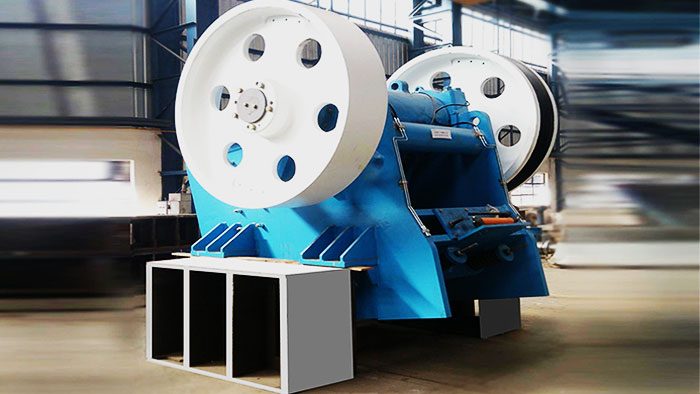
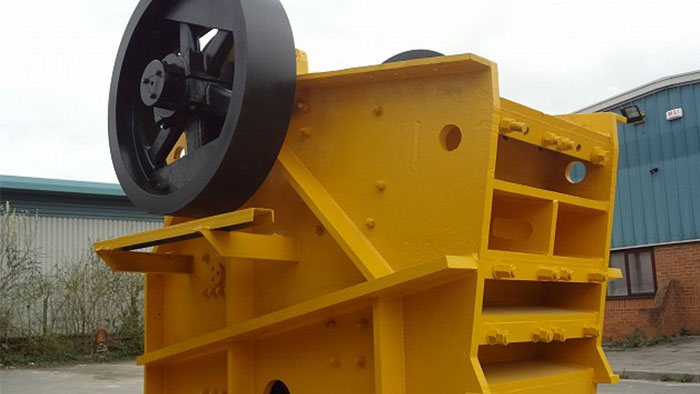
Jaw crusher
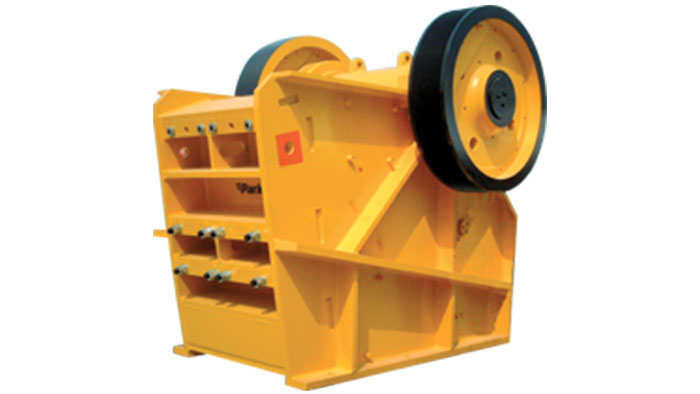
| model | 1100 x 760 |
| Max feed size | 710 mm |
| Motor power | 110 KW |
| Weight | 26,945 Kg |
*Note: The processing capacity of the 1100 x 760 jaw crusher may vary with different materials and feeding sizes.
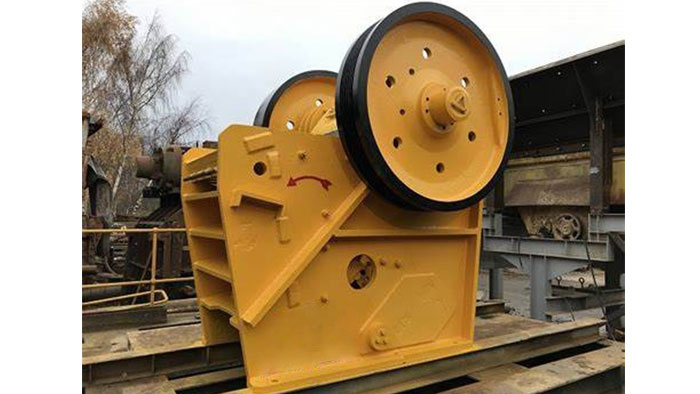
Nominal capacity55 – 135 Mtph
Max. feed size280 mm
Motor power90 KW
Live Chat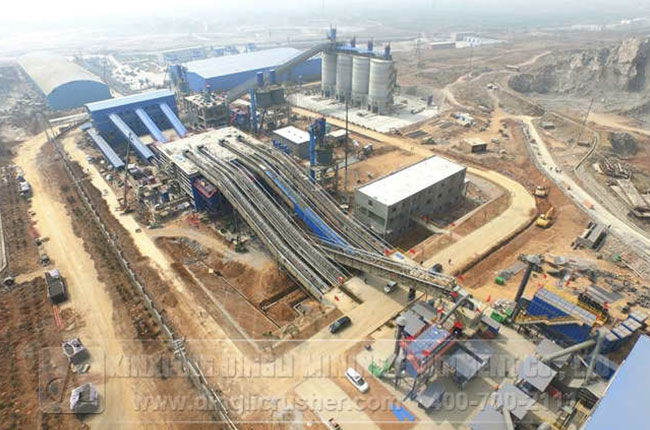
As to equipment selection and layout it is a big advantage with the two production lines respectively equipped with the host PCZ1820 running side by side since when one line is under maintenance the other one can continue to operate.
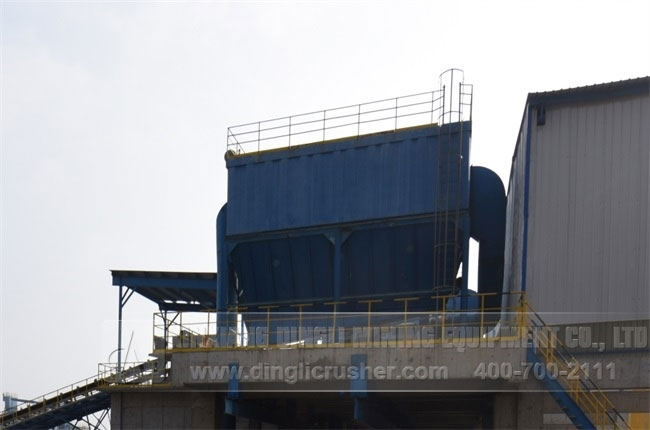
This production line is especially constructed for the building stone with wide application of finished material and optimized operation efficiency.
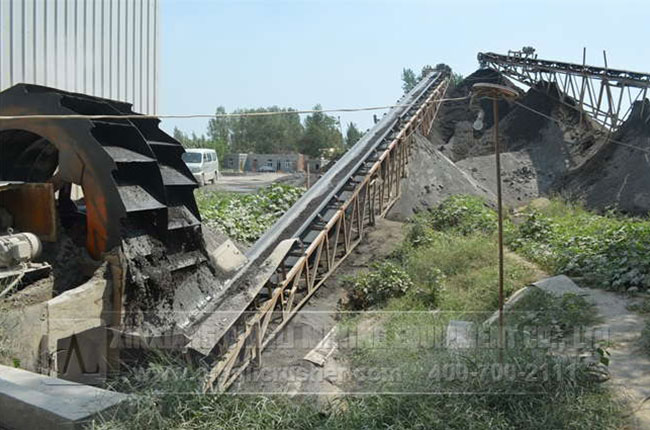
In the production site of customer it can be seen that the raw materials of sand making are mainly the stones with large grain size and through being crushed these stones are finally used for sand making.
Understanding the differences between jaw crushers and other types of crushers helps in making the best choice for specific applications.
Compared to other types of crushers, jaw crushers offer distinct advantages.
Versus Cone Crushers: Jaw crushers are primarily used for coarse crushing, while cone crushers are better suited for fine crushing.
Versus Impact Crushers:Jaw crushers excel in hard rock crushing, whereas impact crushers are more appropriate for softer materials.
Versus Hammer Crushers: Jaw crushers are more durable, while hammer crushers are better for medium-hard materials.
Versus VSI Crushers: Jaw crushers can handle larger feed sizes, whereas VSI crushers are designed for smaller materials.
Versus Roller Crushers: Jaw crushers have a higher reduction ratio, while roller crushers are used for medium and fine crushing.
Comparisons show that jaw crushers have clear advantages when dealing with hard materials.
We are present worldwide and always here to help.
Get in touch today!