 Sand Aggregate IndustryComprehensive Service ProviderSand Aggregate IndustryComprehensive Service Provider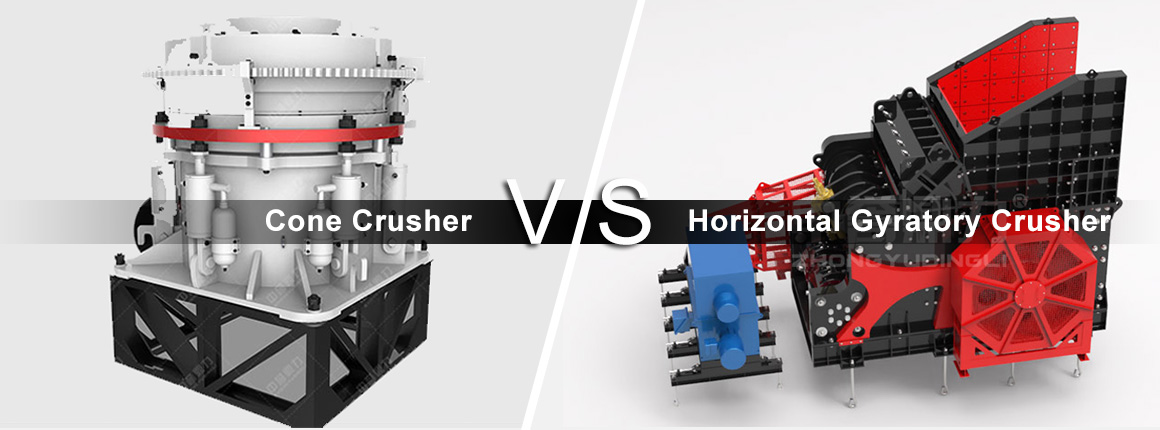
In the field of ore crushing, both the cone crusher and the horizontal gyratory crusher are essential equipment. Although both are used for secondary or fine crushing, they differ significantly in structure, working principles, performance characteristics, and application scenarios. This article will analyze the differences between these two crushing devices to help you choose the most suitable one for your needs.
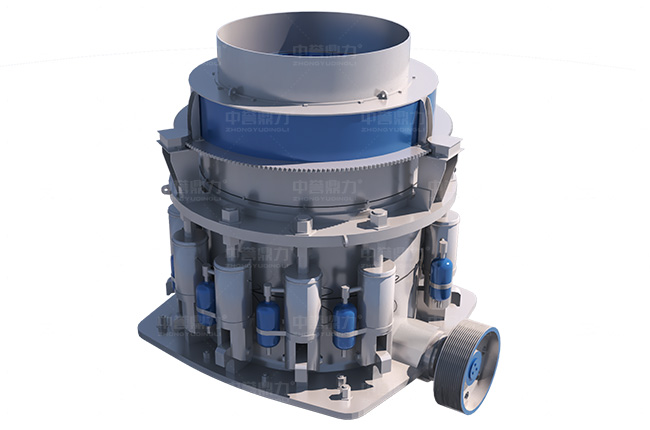
Simple Structure: The design of the cone crusher is relatively simple, consisting mainly of the frame, transmission device, eccentric shaft sleeve, moving cone, and fixed cone. Its compact structure takes up less space, making installation and maintenance more convenient.
High Flexibility: Cone crushers typically offer multiple cavity options, allowing them to meet different particle size requirements.
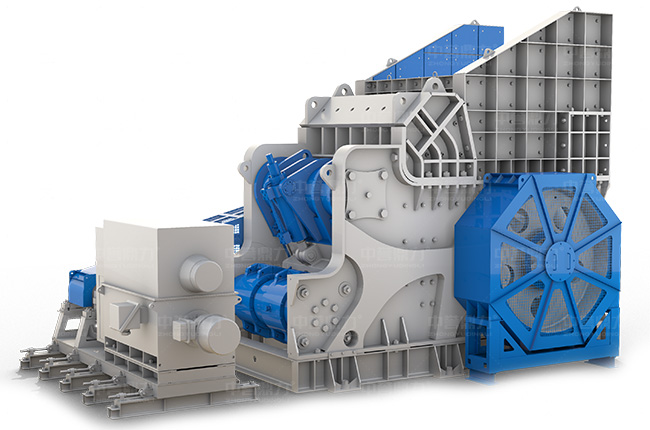
Complex Design: The structure of the horizontal gyratory crusher is more complex, including a heavy-duty frame, eccentric shaft, gyratory roller, and base. Its precise design can withstand greater crushing forces, making it suitable for handling large material blocks.
High Manufacturing Cost: Due to its complex structure, the horizontal gyratory crusher has higher manufacturing and installation costs and requires more specialized maintenance.
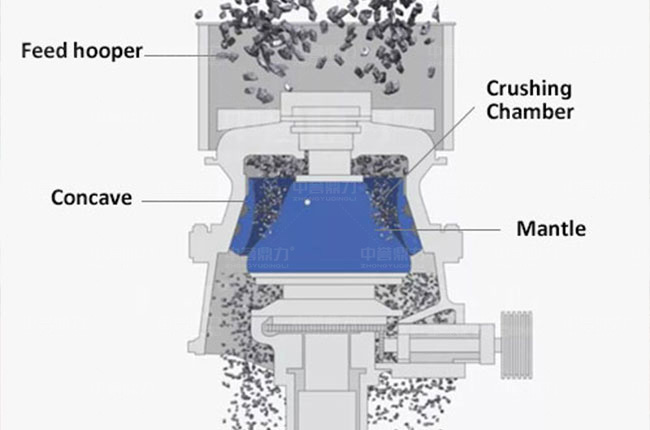
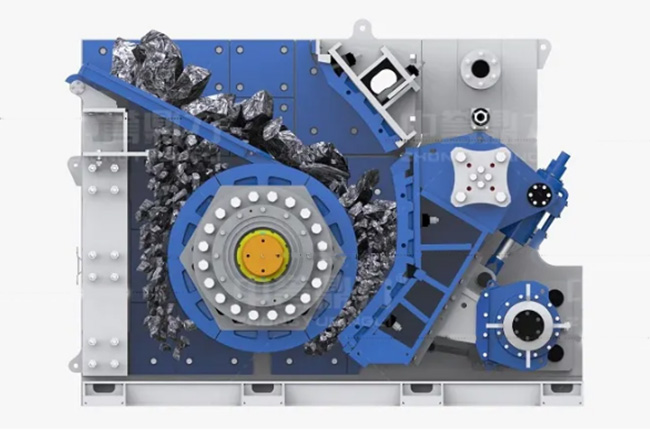
Swivel Motion: The cone crusher operates by rotating the motor through a pulley or coupling, which drives the cone part to perform a swivel motion around a fixed point under the force of the eccentric sleeve. This causes the cone to move closer to and further from the concave surface fixed on the adjustment sleeve, thereby crushing the material through compression, impact, and bending.
Layered Crushing: Cone crushers use inter-particle crushing principles, resulting in cubic-shaped products and reducing the occurrence of needle-like materials.
Continuous Crushing: The horizontal gyratory crusher works by driving the gyratory roller to oscillate through the eccentric shaft, continuously crushing materials between the crushing wall and the concave wall. This continuous crushing process increases efficiency.
Large Feed Size: The horizontal gyratory crusher can handle larger feed sizes, simplifying the production line and reducing the number of crushing stages, particularly suitable for large-scale production.
High Crushing Ratio: The combination of high-performance crushing cavity and high crushing frequency significantly enhances the processing capacity of the cone crusher, with single machine throughput reaching up to 2181 tons per hour.
Easy Maintenance: The cone crusher’s design allows for easy operation and maintenance, with quick replacement of liners, reducing downtime.
Layered Crushing: The horizontal gyratory crusher features a long crushing chamber design, where the cavity length exceeds that of the cone crusher's fine crushing chamber by 1.3-1.5 times, enabling multiple levels of crushing.
Intelligent Control: Equipped with a PLC control system, the horizontal gyratory crusher supports remote monitoring and operation, ensuring stable equipment operation with dual overload protection for safe operation under high-load conditions.
Diverse Industries: The cone crusher is widely used in sand and gravel yards, concrete sand making, dry mortar, construction waste treatment, and other industries. It is suitable for crushing medium and above-medium hardness ores and rocks such as calcite, limestone, granite, and river pebbles.
Medium to Small-scale Production: The cone crusher is ideal for medium to small-scale production lines, especially where efficient crushing and good particle shape are required.
Large Mines: The horizontal gyratory crusher is commonly used in large mining operations, metallurgy, and chemical industries, mainly dealing with high-hardness, large-block materials such as iron ore and copper ore.
High Throughput Needs: For projects requiring high output and efficiency, especially when processing extremely hard ores, the horizontal gyratory crusher performs exceptionally well.
Lower Cost: The initial investment and maintenance costs of the cone crusher are relatively low. Its compact structure and simple operation make it an excellent choice for projects with limited budgets.
Quick Maintenance: The cone crusher allows for easy and fast maintenance, particularly when replacing liners, saving time and labor.
High Initial Investment: The manufacturing and installation costs of the horizontal gyratory crusher are high, and its maintenance is more complex, making it suitable for large-scale projects with sufficient budgets.
Professional Maintenance Required: Due to its complex structure, the horizontal gyratory crusher requires specialized personnel for maintenance, with longer downtime increasing maintenance costs.
Both the cone crusher and horizontal gyratory crusher have their unique advantages. The cone crusher is suitable for medium to small-scale production lines, offering lower costs and easy maintenance, with a broad range of applications. On the other hand, the horizontal gyratory crusher is ideal for large-scale projects with high hardness material, offering powerful crushing capabilities and high throughput. The choice of equipment should consider material characteristics, production scale, budget, and specific requirements to achieve the best production outcomes.
Are you still hesitating about how to choose a crushing equipment? Click the button below to learn more details
Chat Online
Free consultation on related issues.