 Sand Aggregate IndustryComprehensive Service ProviderSand Aggregate IndustryComprehensive Service Provider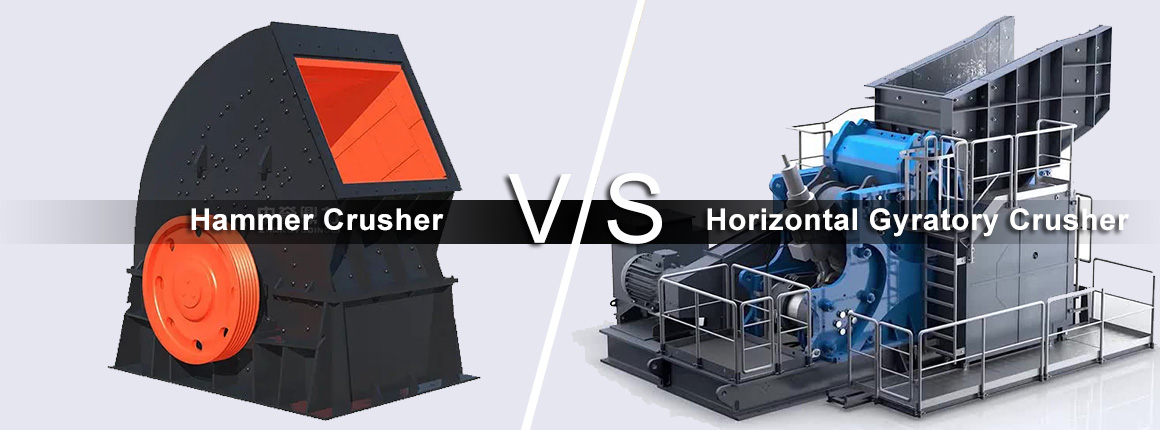
When selecting the right crushing equipment, understanding the specific features and advantages of each type is crucial. Hammer crushers and horizontal gyratory crushers are commonly used in various industries for material processing. This article will compare these two machines, focusing on their structure, working principles, and overall benefits.
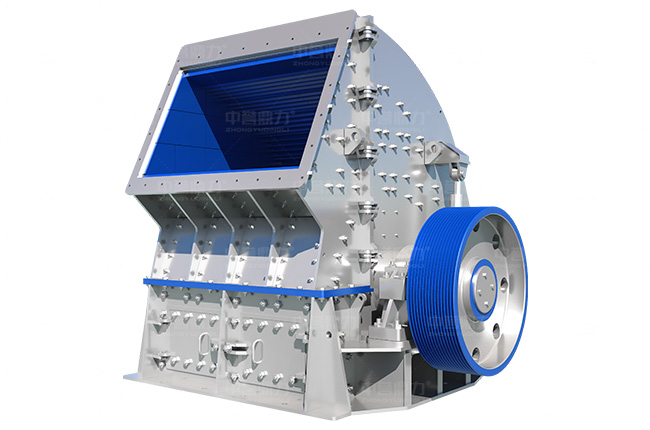
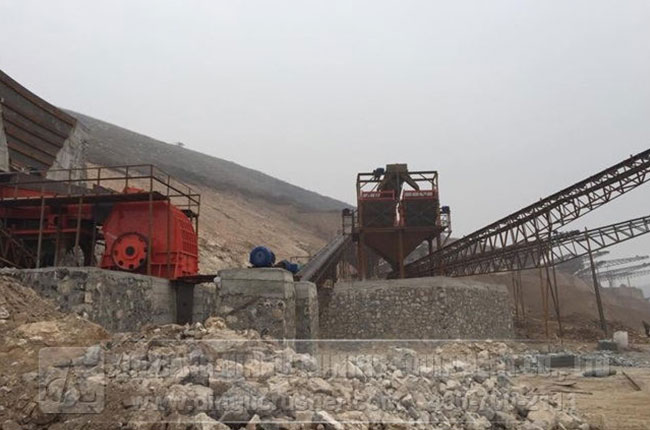
The hammer crusher is designed for simplicity, consisting of a rotor, hammerhead, and a grate bar. The machine's compact structure allows for easy installation and maintenance.
One-Time Shaping: The hammer crusher is capable of crushing materials into the desired size in a single operation, eliminating the need for secondary crushing. This feature makes it particularly efficient for processing materials such as limestone and coal.
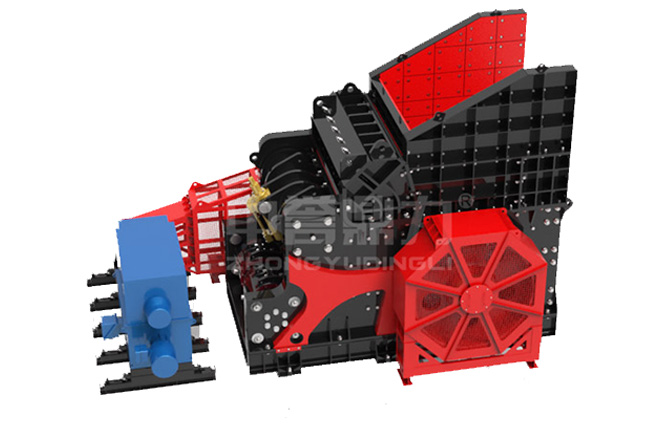
The horizontal gyratory crusher has a more complex structure, including a heavy-duty frame, eccentric shaft, and crushing cone. It is engineered to handle larger and harder materials.
High Crushing Force: This crusher can exert significant crushing pressure, making it suitable for breaking down large and hard materials like iron ore and granite. However, its intricate design requires more maintenance and a higher initial investment.
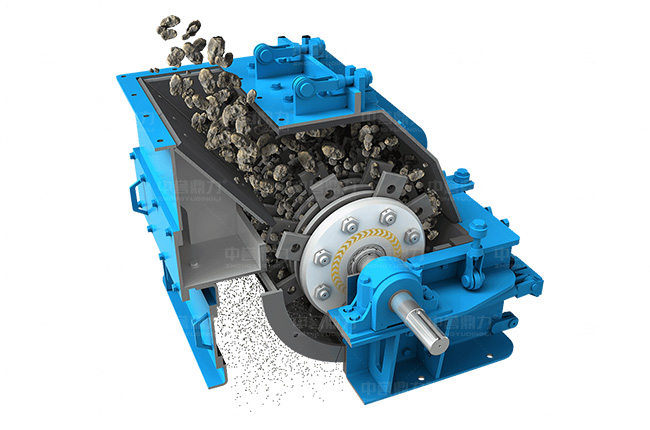
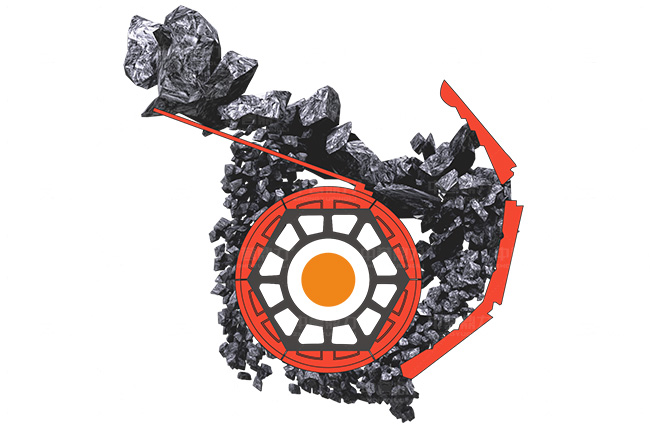
The hammer crusher operates on the principle of impact crushing. As the rotor spins, the hammers strike the material, causing it to break along its natural fracture lines.
Direct Impact: The material is directly hit by the hammers and then thrown against the crushing plate, resulting in quick and efficient crushing. This method is effective for brittle materials.
The horizontal gyratory crusher utilizes a squeezing mechanism. As the material enters the crushing chamber, it is subjected to compressive force between the crushing cone and the chamber walls.
Compression Crushing: The material is gradually crushed as it moves downward, being squeezed between the gyrating cone and the chamber wall. This process is ideal for tough materials that require a high degree of size reduction.
| Parameter | Hammer Crusher | Horizontal Gyratory Crusher |
| Ideal Material Hardness: | Soft to medium (up to 200 MPa) | Medium to hard (up to 320 MPa) |
| Production Capacity: | 100-3000 tons per hour | 2500-3500 tons per hour |
| Feed Size | 0-1600mm | 0-1200mm |
| Output Particle Size: | ≤25mm | 70-250mm |
Cost-Effective: Lower initial investment and operating costs, making it a budget-friendly option for small to medium-scale projects.
Versatility: Suitable for various applications, including cement production, coal mining, and material recycling.
Ease of Maintenance: Simple design allows for quick and easy maintenance, reducing downtime.
High Efficiency: Capable of processing large quantities of material with a consistent output size, making it ideal for large-scale operations.
Durability: Built to last, with robust components designed to handle the most challenging materials.
Precision Crushing: Offers superior control over particle size distribution, which is crucial for industries such as mining and aggregate production.
Lower Cost: The simpler design results in a lower initial cost and reduced maintenance expenses over time.
Quick Repairs: Due to its straightforward design, repairs and part replacements are quick and easy, leading to less downtime.
Higher Investment: The complex design and heavy-duty construction result in a higher initial cost.
Long-Term Value: While more expensive upfront, the HG crusher’s durability and efficiency can result in significant long-term savings, especially in high-capacity operations.
When choosing between a hammer crusher and a horizontal gyratory crusher, it's important to consider the specific requirements of your project. The hammer crusher is ideal for small to medium-scale operations that need a cost-effective, versatile solution for processing softer materials. On the other hand, the horizontal gyratory crusher is better suited for large-scale, high-capacity operations dealing with harder materials. Each crusher offers unique advantages, so the choice ultimately depends on your operational needs and budget.
Are you still hesitating about how to choose a crushing equipment? Click the button below to learn more details
Chat Online
Free consultation on related issues.