 Sand Aggregate IndustryComprehensive Service ProviderSand Aggregate IndustryComprehensive Service Provider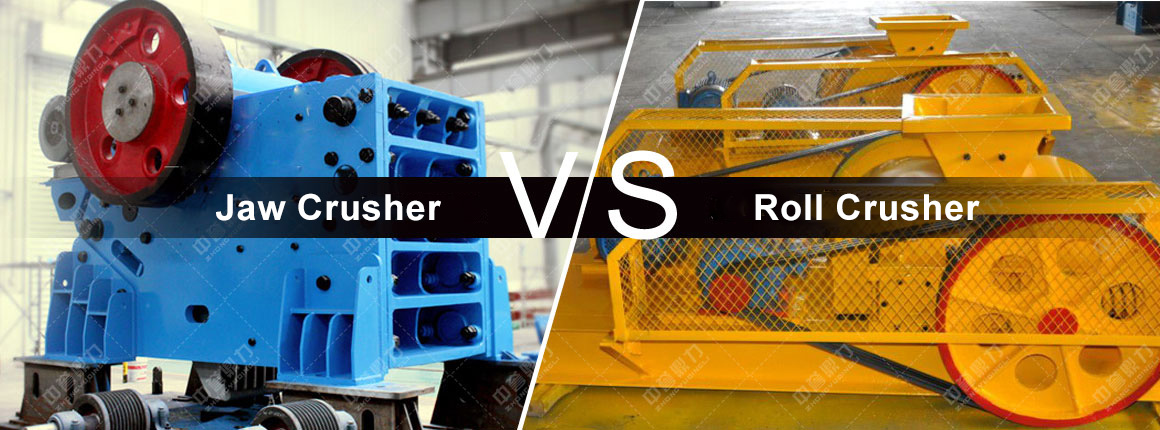
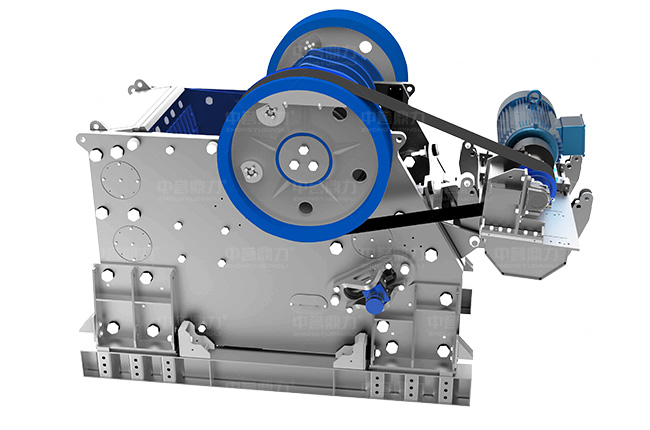
A jaw crusher operates based on a compressive force mechanism. It consists of two crushing plates: the stationary plate (fixed jaw) and the moving plate (swing jaw).
Material is fed into the top of the V-shaped chamber where it is crushed by the closing gap between the plates.
The swing jaw moves back and forth, applying a crushing force on the material.
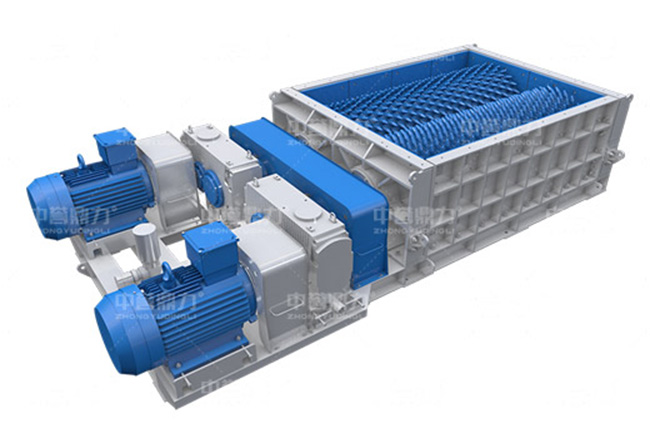
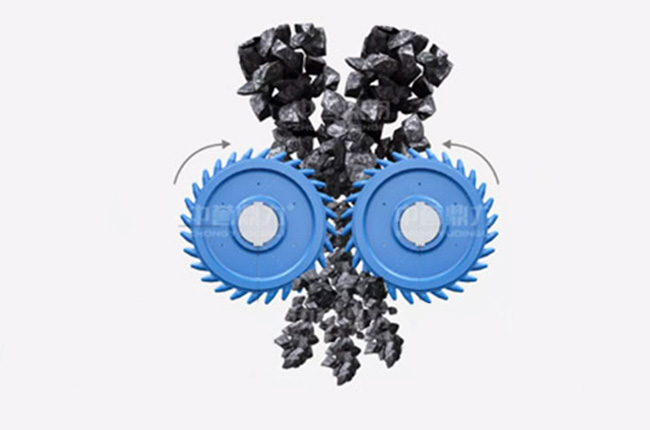
A roll crusher utilizes a compressive force applied through two rotating cylindrical rollers.
Material is fed between these rollers, which crush it through pressure.
Roll crushers may have smooth or toothed rollers, with toothed rollers providing additional grip and efficiency in breaking down materials.
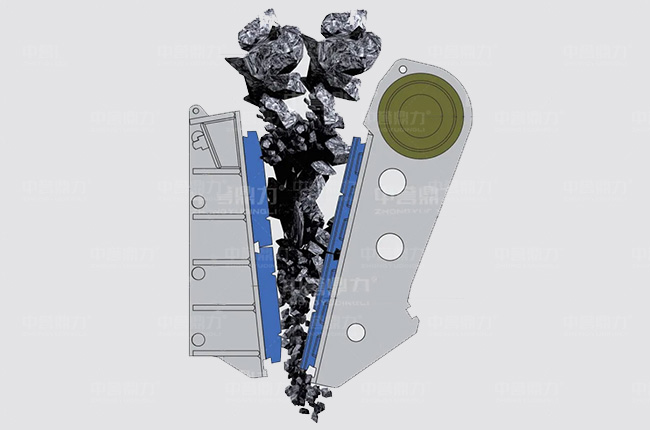
Crushing Chamber: The V-shaped design allows for a gradual reduction in material size.
Jaw Plates: Made from high manganese steel or other wear-resistant materials, they withstand the high stresses of the crushing process.
Stroke Length: The length of the swing jaw’s stroke impacts the crushing efficiency and size reduction.
Rollers: The rollers can be adjusted to control the size of the output material, and their surface can be smooth or have grooves.
Gap Adjustment: The distance between the rollers can be adjusted to achieve different levels of size reduction.
Roller Speed: The rotational speed of the rollers affects the crushing efficiency and material throughput.
High Reduction Ratio: Jaw crushers achieve a significant reduction ratio, often up to 6:1 or 7:1, making them suitable for primary crushing of large feed materials.
Versatility: They handle a broad range of materials, including hard and abrasive rocks, ores, and even recycled materials.
Robust Construction: Designed to endure heavy-duty operations and harsh environments.
Controlled Size Reduction: Provides a more uniform product size and is adjustable for finer output compared to jaw crushers.
Lower Noise Levels: Generally operates with less noise, making it more suitable for environments where noise reduction is a priority.
Efficiency in Secondary Crushing: Particularly effective for the secondary or tertiary crushing stages, where uniformity of size is critical.
High Wear Rates: The jaw plates experience significant wear, necessitating regular replacement.
Limited Fine Crushing: Less effective for producing very fine material due to the coarse reduction nature.
Lower Reduction Ratio: Typically offers a reduction ratio of 4:1 or less, making it less suitable for primary crushing of large material sizes.
Material Build-Up: Susceptible to clogging, especially with sticky or moist materials, which can affect operational efficiency.
Experiences significant wear on the jaw plates, which require frequent replacement.
The maintenance involves checking and replacing these wear parts and ensuring proper alignment and adjustment.
Requires maintenance of the rollers and bearings.
Less frequent wear compared to jaw crushers but still necessitates regular checks to prevent operational issues.
Generally higher initial cost due to robust construction and higher power requirements. However, its ability to handle large volumes and a wide range of materials can offset the cost in high-production environments.
Typically has a lower initial cost and operational cost due to less power consumption. Its efficiency in producing uniform products can be advantageous in specific applications, reducing overall processing costs.
Jaw Crushers are commonly used in industries that require the processing of large, hard materials. They are ideal for:
Heavy-duty primary crushing
Mining and quarrying
Aggregate production
Recycling of construction materials
Roll Crushers are often used in applications where uniform size and reduced material handling are important. They are suited for:
Secondary and tertiary crushing
Fine grinding and pulverizing
Production of uniform particles in industries like coal, cement, and chemical processing
In summary, both jaw crushers and roll crushers have their distinct advantages and applications. Jaw crushers excel in primary crushing with a high reduction ratio and versatility, making them ideal for handling large and hard materials. Roll crushers, on the other hand, are better suited for secondary crushing, providing controlled size reduction and uniform particle shape.
Choosing the right crusher depends on your specific needs, including the type of material you are processing, the desired particle size, and the overall capacity required. Understanding the key differences between these two types of crushers can help you make an informed decision and optimize your material processing operations.
Are you still hesitating about how to choose a crushing equipment? Click the button below to learn more details
Chat Online
Free consultation on related issues.