 Sand Aggregate IndustryComprehensive Service ProviderSand Aggregate IndustryComprehensive Service Provider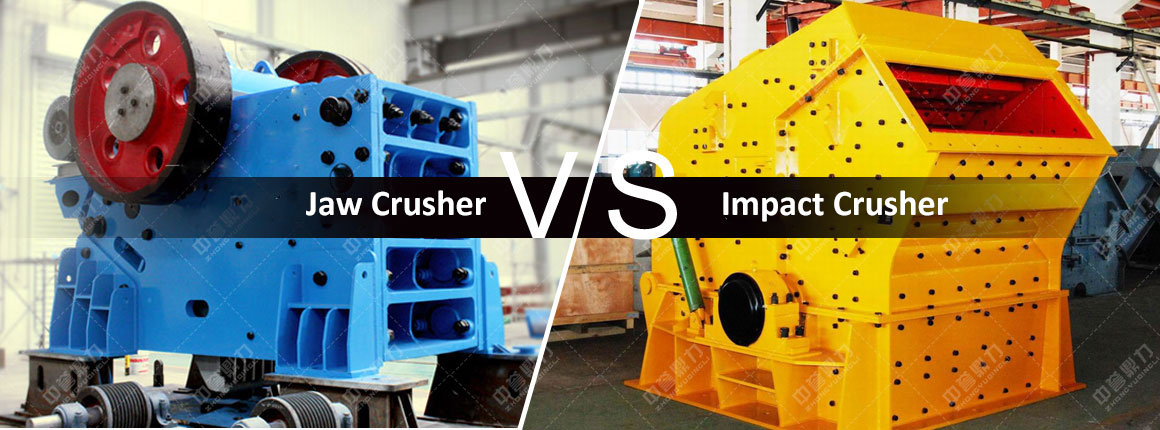
Mechanical Pressure: A jaw crusher uses compressive force for breaking of particles. This mechanical pressure is achieved by the two jaws of the crusher of which one is fixed while the other reciprocates.
Jaw Movement: The movable jaw exerts force on the rock by forcing it against the stationary plate. The space at the bottom of the "V" aligned jaw plates is the crusher product size gap, or the size of the crushed product from the jaw crusher.
Impact Force: An impact crusher uses impact rather than pressure to crush material. The material is contained within a cage, with openings on the bottom, end, or side to allow crushed material to escape.
Rotor and Hammers: The primary impact mechanism is through a high-speed rotating rotor with hammers or blow bars that strike the material.
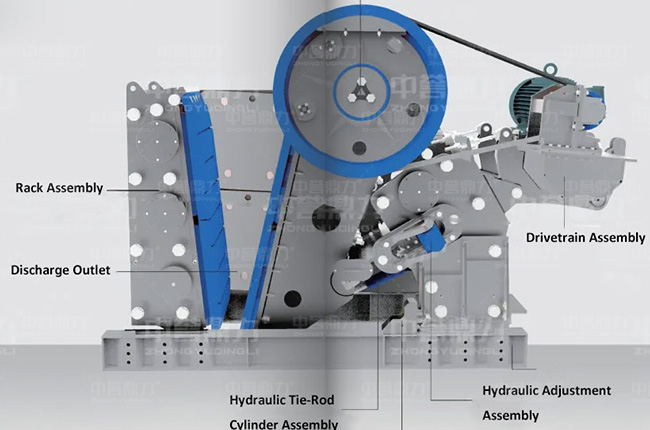
Feed: Large pieces of rock are fed into the top of the jaw crusher.
Crushing: The rock is repeatedly compressed between a fixed jaw and a moving jaw until it is small enough to fall through the gap at the bottom of the jaws.
Discharge: Crushed material exits the crusher once it is small enough to pass through the bottom opening.
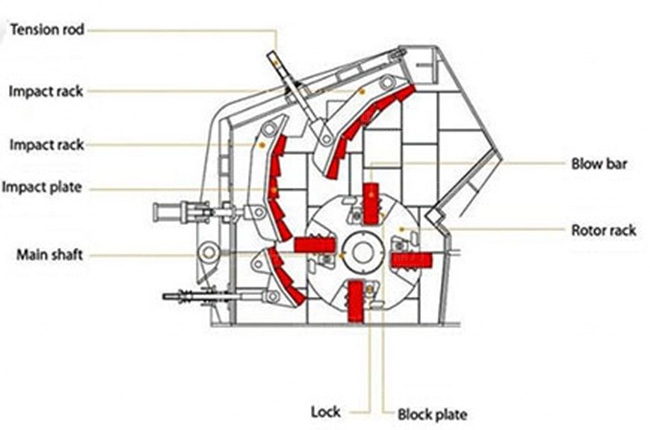
Feed: Material is fed into the top of the impact crusher.
Impact: The material is thrown against impact plates (also called breaker plates) by the blow bars attached to the rotor.
Secondary Impact: The material is then impacted again by hammers or against additional impact plates, leading to further size reduction.
Discharge: The crushed material is discharged once it reaches the desired size and can pass through the bottom of the crusher.
Fixed and Moving Jaw: Consists of two jaws, one fixed and the other reciprocating. The jaw plates are made of high wear-resistant material.
Simple Design: The overall structure is simple, which makes it easy to operate and maintain.
Reduction Ratio: Typically used for primary crushing with a high reduction ratio.
Rotor and Blow Bars: Consists of a rotor that spins at high speeds with hammers or blow bars attached.
Impact Plates: Adjustable impact plates determine the size of the output product.
Versatility: Can be used for primary, secondary, or tertiary crushing depending on the model and application.
Suitable for materials with high hardness and large size.
Commonly used in mining, construction, and recycling industries.
Suitable for medium to low hardness materials.
Widely used in construction, aggregate, and recycling industries due to its ability to produce a cubical product shape.
| Jaw Crusher | Impact Crusher | |
| Crushing Mechanism | Utilizes compressive force. | Utilizes impact force. |
| Application Range | Best for hard and abrasive materials. | Suitable for softer materials and producing more uniform particle shapes. |
| Product Size | Produces a more elongated and flaky product. | Produces a more cubical product. |
| Reduction Ratio | Generally has a lower reduction ratio. | Capable of higher reduction ratios. |
| Operational Considerations | Lower operational costs due to simpler design. | Higher maintenance due to wear of impact components but offers better control over product size and shape. |
Both jaw crushers and impact crushers are critical in the primary and secondary stages of crushing. Jaw crushers are typically used for the first stage of material reduction, focusing on high hardness and abrasive materials, while impact crushers are more versatile, often used in various stages of crushing for medium to low hardness materials, especially where a cubical product shape is desired. Understanding these differences helps in selecting the right equipment for specific applications, ensuring efficiency and cost-effectiveness in the crushing process.
Are you still hesitating about how to choose a crushing equipment? Click the button below to learn more details
Chat Online
Free consultation on related issues.