 Sand Aggregate IndustryComprehensive Service ProviderSand Aggregate IndustryComprehensive Service Provider
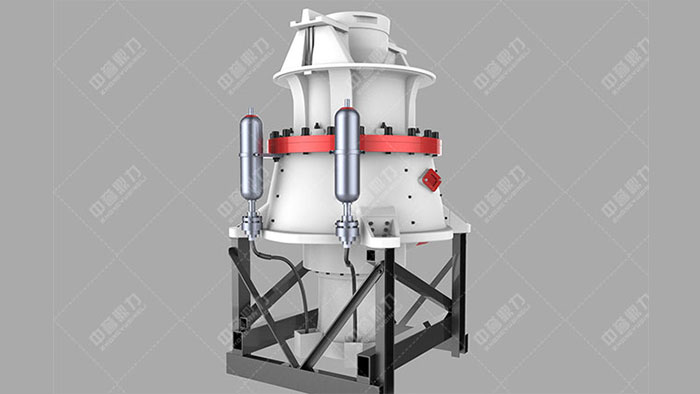
Cone Crusher
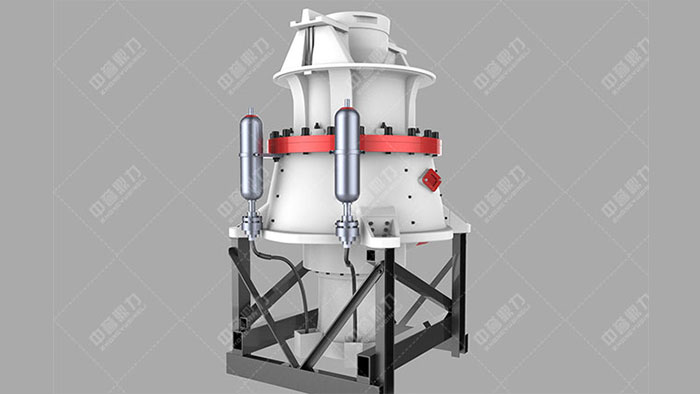
| Model | CZS66B | |||
| Cavity Type | F | M | C | EC |
| Maximum feed size (mm) | 60 | 76 | 113 | 125 |
| Discharge opening adjustment range (mm) | 5-13 | 6-19 | 10-25 | 13-25 |
| Processing Capacity (t/h) | 90-209 | 136-281 | 190-336 | 253-336 |
| Motor power (kw) | 220 | |||
| Machine weight (t) | 52 | |||
| Overall dimensions(mm) | 3941×2954×3771 | |||
*Note: The processing capacity of the CZS66D cone crusher may vary with different materials and feeding sizes.
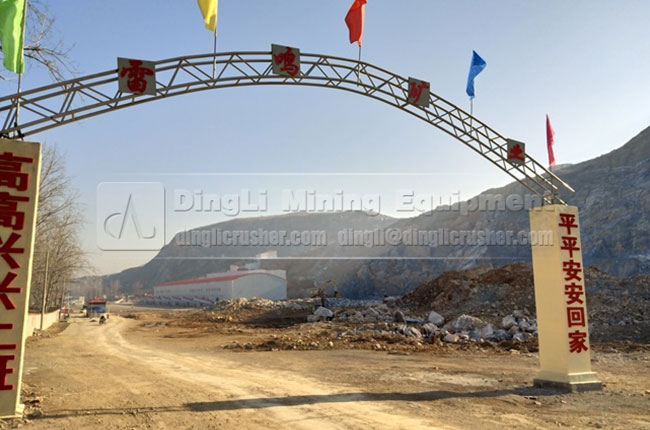
Leiming Stone Production Line is with closed-loop design that has less dust pollution. Dingli is committed to building green and new-type gravel aggregates production line.
Leiming Stone Production Line is with closed-loop design that has less dust pollution. Dingli is committed to building green and new-type gravel aggregates production line.
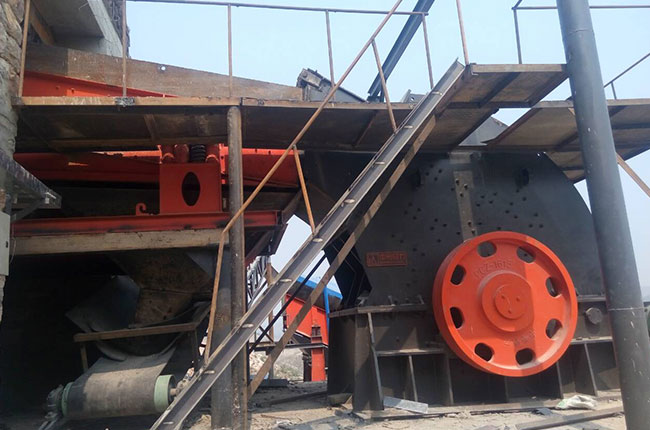
In aggregates production line hammer crusher works as primary crusher that can crush bulk limestone.
The CZS66B cone crusher is a significant piece of equipment in industrial settings, and understanding how it fits into production lines and the associated costs is crucial for businesses aiming to make efficient and cost-effective use of it.
When integrating the CZS66B into a production line, the feeding system is a key consideration. Given its different cavity types with varying maximum feed sizes, the choice of feeder must be carefully made. For example, with the F cavity having a maximum feed size of 60 mm, a vibrating feeder with a suitable hopper size and adjustable feed rate can ensure a steady supply of materials within this size range. The feeder should be able to handle the expected volume of raw materials to match the processing capacity of the crusher, which ranges from 90 - 209 tons per hour for the F cavity. Similar considerations apply to the M, C, and EC cavities, where the feeders need to accommodate their respective maximum feed sizes and feed rates to prevent overloading or underfeeding the crusher.
The output of the CZS66B needs to be efficiently transported to the next stage of the production process, and conveyor belts play a vital role in this. The conveyor belt's width and speed should be selected based on the crusher's processing capacity and the size of the crushed materials. For instance, when the crusher is operating at its higher processing capacities, especially with the C or EC cavities, a wider and faster conveyor belt is required to handle the larger volume of crushed products without causing bottlenecks. Additionally, the conveyor's design should consider the discharge height and angle to ensure smooth transfer of materials to subsequent equipment like screening machines or storage bins.
Screening and sorting equipment are essential for classifying the crushed materials according to different size fractions. The discharge opening adjustment ranges of the CZS66B's various cavities (ranging from 5 - 13 mm for the F cavity to 13 - 25 mm for the EC cavity) determine the size distribution of the output. The mesh sizes of the screening machines should be carefully selected to match these ranges, allowing for effective separation of the crushed materials into desired product sizes. This way, the CZS66B can be seamlessly integrated with the screening equipment to create a streamlined production line that produces consistent and marketable end products.
The initial cost of the CZS66B cone crusher includes not only the purchase price of the equipment itself but also associated costs like installation and setup. The 220-kw motor power and the relatively large size and weight (52 tons with overall dimensions of 3941×2954×3771 mm) might impact transportation and installation expenses. Additionally, any necessary modifications to the production site to accommodate the crusher's footprint and power requirements should be factored in. However, considering its high processing capacities across different cavities, it offers the potential for significant production output, which can justify the initial investment over time.
Operating costs mainly consist of energy consumption and wear part replacements. With a 220-kw motor, energy usage can be a significant expense, especially during continuous operation. Monitoring and optimizing the crusher's usage patterns to minimize idle time and run it at efficient load levels can help control energy costs. In terms of wear parts, components like the mantle, concave liner, and bearings are subject to wear due to the crushing process. Regular maintenance and timely replacement of these parts are necessary to maintain performance. The frequency of replacement depends on factors such as the hardness of the materials being crushed and the operating hours, and these costs should be budgeted for to ensure the long-term smooth operation of the CZS66B.
When evaluating the overall cost of the CZS66B in a production line, it's important to conduct a long-term cost-benefit analysis. By considering its processing capacity, product quality achieved through proper integration with other equipment, and potential revenue generated from the final products, businesses can assess whether the investment in the CZS66B is worthwhile. Over its operational lifespan, if it enables increased production efficiency, reduced reliance on additional crushing equipment, and higher-quality end products that command better market prices, the overall costs can be offset by the benefits it brings to the production process.
The CZS66B cone crusher's ability to integrate well into production lines and the careful management of its associated costs are vital for maximizing its value in industrial applications. By understanding these aspects, businesses can make informed decisions to ensure the efficient operation and economic viability of using this equipment.
We are present worldwide and always here to help.
Get in touch today!