 Sand Aggregate IndustryComprehensive Service ProviderSand Aggregate IndustryComprehensive Service Provider
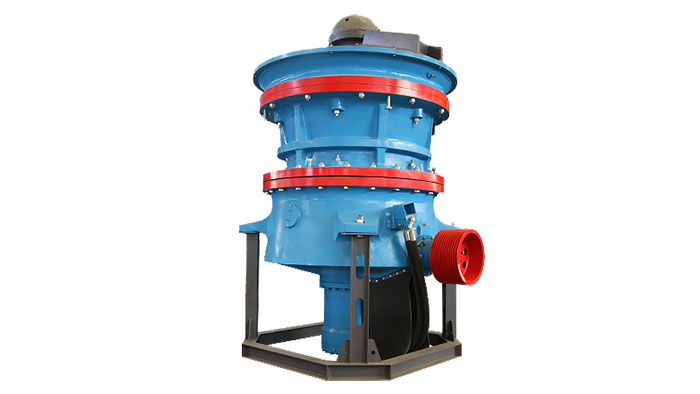
Cone Crusher
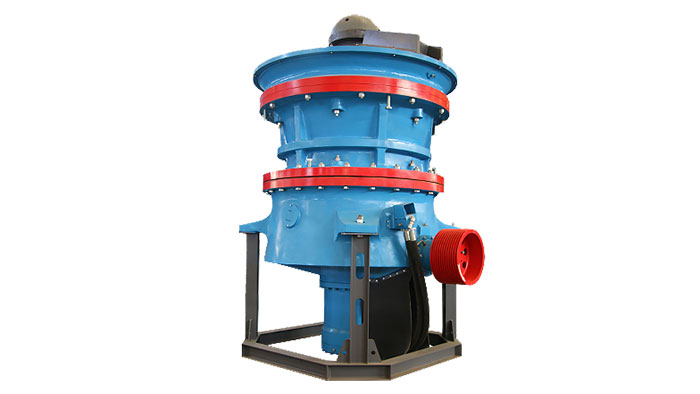
| Model | Eccentricity | Maximum Motor Installation Power (kW) | Throughput under Closed - side Discharge Opening (CSS) (t/h) | ||||
| 10mm | 15mm | 20mm | 25mm | 30mm | |||
| GPY200 | 25 | 160 | 85 -105 | 105 - 125 | 125 - 150 | 155 - 175 | 180 - 205 |
| 32 | 135 - 155 | 165 - 185 | 185 - 215 | ||||
*Note: The processing capacity of the GPY200 cone crusher may vary with different materials and feeding sizes.
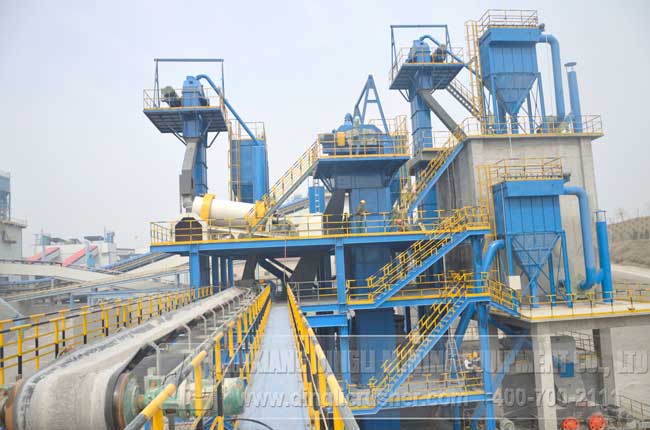
In the production site sand making system has feeding belt and discharging belt with crushing material of 1-2 1-3 0-5 types and granolithic and producing high quality sand.
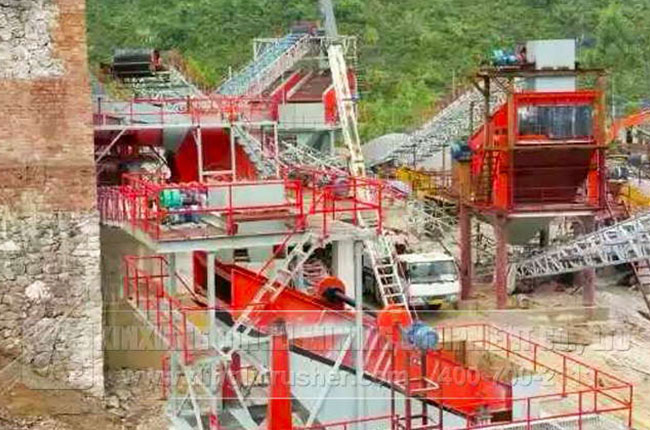
It’s seen the crusher is installed below the silo; the aggregates are fed into the crusher in a convenient and efficient manner. The corresponding motor equipped ensures equipment to operate according to rated power with low consumption.
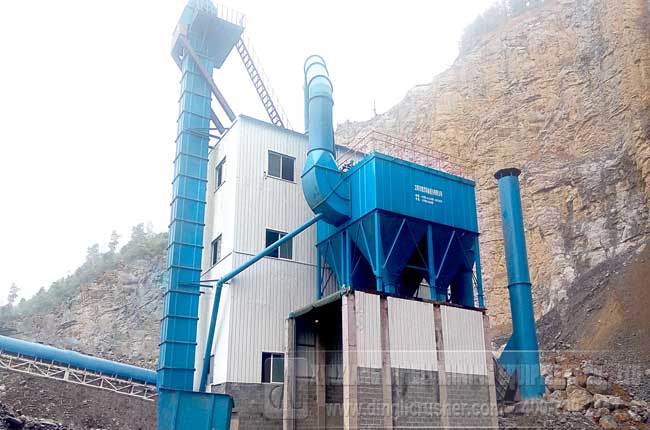
It is seen this production line adopts centralized construction by using the dry sand making equipment of Zhongyu Dingli. In the sign board on the production site it clearly indicates the components of the equipment and operation process.
Check whether all components of the equipment are firmly connected, especially the bolts and nuts of key parts such as the crushing cone, fixed cone, and frame. If any looseness is found, tighten them in time.
Inspect the lubrication system to ensure that the lubricating oil in the oil tank is sufficient, the oil quality is clean and meets the equipment requirements. Start the lubrication pump and check whether each lubrication point can supply oil normally and whether the oil circuit is unobstructed. At the same time, observe whether the oil pressure is within the specified range.
Examine the hydraulic system, including the hydraulic oil level, whether there is any leakage at the joints of each oil pipe, and whether the hydraulic pump, hydraulic cylinder and other components can work normally. Adjust the pressure of the hydraulic system to a suitable value.
Clean up the debris and residual materials in the crushing chamber to prevent damage to the equipment or affecting the crushing effect during startup.
Check the transmission device, such as whether the tightness of the belt is appropriate, whether there is any damage, whether the coupling connection is reliable, and whether the wiring of the motor is correct and without looseness.
First, start the oil pump motor and let the lubrication system run for a period of time in advance to ensure that all lubricated parts are fully lubricated. Generally, the pre-lubrication time is not less than 5 minutes.
Start the cooling system to ensure that the oil temperature, bearing temperature and other parameters of the equipment can be effectively controlled during operation and prevent the equipment from overheating.
Start the main motor of the cone crusher. Pay attention to observing the current change, vibration situation and the running state of each component during the startup process. If any abnormality is found, such as excessive current, severe vibration, abnormal sound, etc., stop the machine immediately for inspection. After troubleshooting, restart the machine.
Continuously monitor the running current of the equipment and ensure that it is stable within the rated current range. If the current fluctuates greatly or exceeds the rated value for a long time, it may be due to too hard or too much material or equipment failure. It is necessary to adjust the feed amount in time or stop the machine for inspection.
Regularly check the oil temperature and oil pressure. The oil temperature should be controlled within a suitable range and the oil pressure should be kept stable. If the oil temperature is too high, check whether the cooling system is working normally. If the oil pressure is insufficient, check whether there is a problem with the oil pump and oil circuit.
Pay attention to the particle size of the crushed product. Control the particle size by adjusting the size of the discharge opening. If the product particle size does not meet the requirements, use the hydraulic adjustment device to adjust the gap between the crushing cone and the fixed cone in a timely manner.
Listen to the running sound of the equipment. Under normal circumstances, it should be a smooth running sound. If there is a harsh, frictional or impact abnormal sound, stop the machine immediately to find the cause. It may be due to component wear or foreign objects entering the crushing chamber.
First, stop the feeding equipment. After all the materials in the crushing chamber are crushed and discharged, turn off the main motor of the cone crusher.
After the main motor stops running, let the lubrication system and cooling system continue to run for a period of time, generally 10 - 15 minutes, to ensure that all components of the equipment are fully cooled and lubricated. Then turn off the lubrication pump and cooling system in turn.
Clean up the materials and debris around the equipment and keep the working environment clean.
We are present worldwide and always here to help.
Get in touch today!