 Sand Aggregate IndustryComprehensive Service ProviderSand Aggregate IndustryComprehensive Service Provider
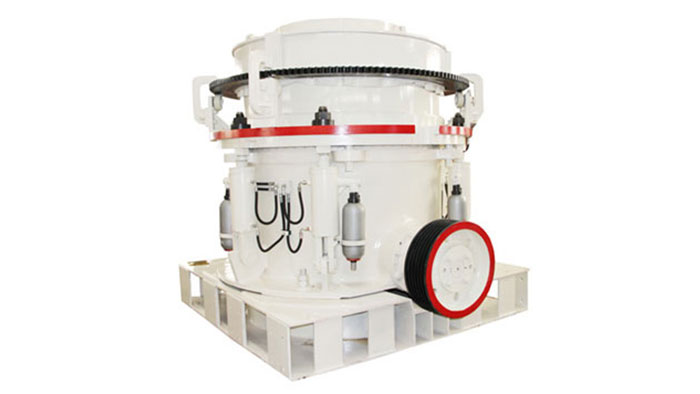
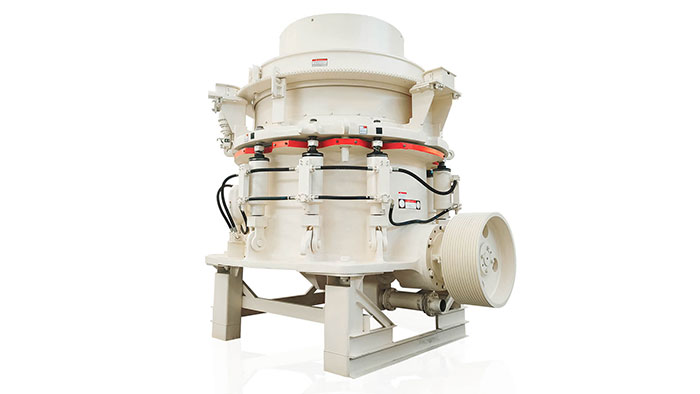
Cone Crusher
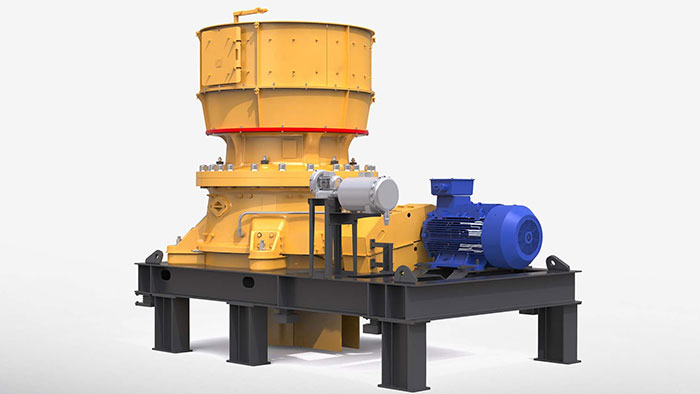
| Model | HPC200 | |||
| Cavity Type | F2 | F1 | M | C1 |
| Maximum feed size (mm) | 75 | 95 | 125 | 185 |
| Minimum discharge opening (mm) | 10 | 13 | 16 | 19 |
| Processing Capacity (t/h) | 90-190 | 120-200 | 140-220 | 150-250 |
| Motor power (kw) | 160 | |||
| Machine weight (t) | 13.4 | |||
| Overall dimensions(mm) | 2135×1750×1927 | |||
*Note: The processing capacity of the HPC200 cone crusher may vary with different materials and feeding sizes.
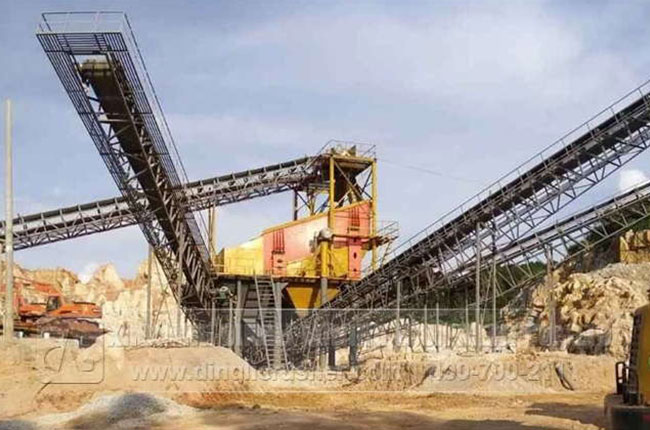
By selecting reasonable equipment model the production line will greatly improve its capacity. The equipment applied for the production of customers is the most suitable through selection and configuration of professional technician.
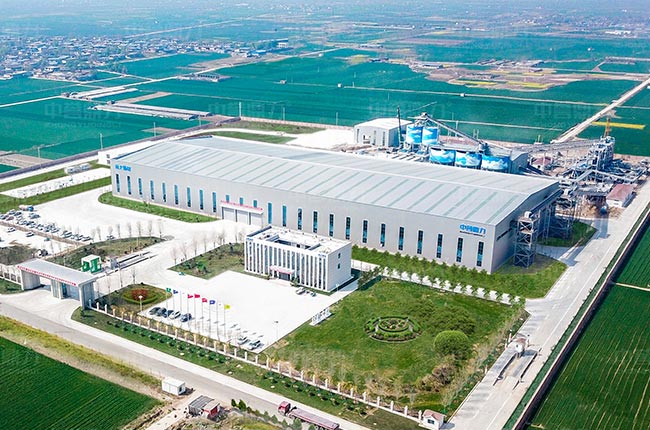
The finished material is washed with water, the surface is clean, the perception is good, the quality is excellent, and the mud content is less, which can meet the market demand for high standard aggregate and machine-made sand, and greatly improve the economic efficiency.
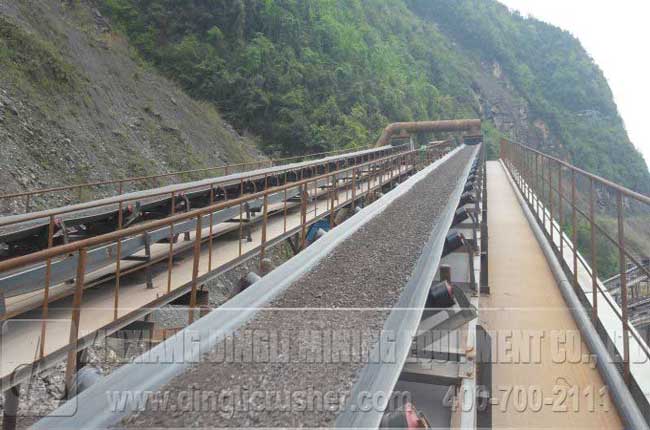
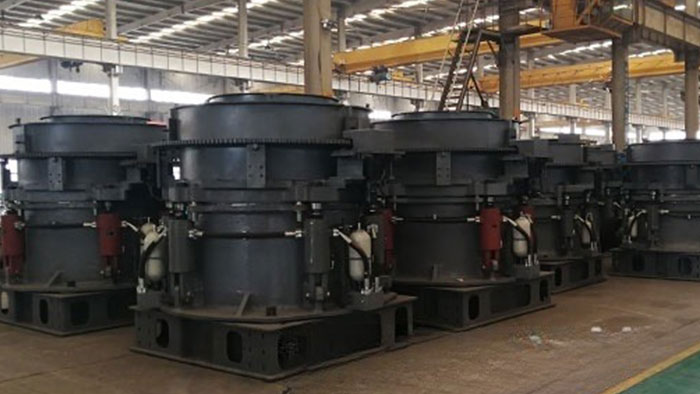
From this site we get to know this production line builds with mountain that can make fully use of limestone. All the machines are installed and provided by Xinxiang Dingli with high matching.
The HPC200 cone crusher is a sophisticated piece of equipment, and understanding its working principle is crucial for optimizing its performance in various industrial applications.
At the heart of the crusher's operation lies a 160 kW motor. This powerful motor serves as the energy source that drives the eccentric shaft. When the crusher is powered on, the motor imparts rotational motion to the eccentric shaft, setting the stage for the subsequent crushing process. The eccentric shaft's design and movement are meticulously engineered to convert the rotational energy into the specific motion required for effective crushing.
As the eccentric shaft rotates, it has a direct impact on the movable cone, known as the mantle. The mantle is precisely guided to execute a controlled gyratory motion within the fixed cone, referred to as the concave. This interaction between the mantle and the concave is the essence of the crushing action. The mantle's gyratory path and speed are optimized to ensure maximum contact and force application on the materials being crushed. The clearance and geometry between the mantle and concave are carefully designed to handle different feed sizes and produce the desired output particle sizes.
The crusher features an inlet through which raw materials are introduced. What makes this inlet unique is its adaptability to different cavity types. Depending on the selected cavity, the maximum feed size varies. For the F2 cavity, the maximum feed size is 75 mm, while for the C1 cavity, it can handle up to 185 mm. This flexibility allows the HPC200 to accommodate a wide range of materials and production requirements. Once the materials pass through the inlet, they enter the crushing chamber, where the real transformation begins.
Inside the crushing chamber, the mantle's gyratory motion subjects the materials to intense and repetitive compressive forces. These forces are not random but act on the materials from multiple directions. By exploiting the natural cleavage planes of the materials, the crusher efficiently fractures them. The continuous squeezing and grinding action progressively reduces the size of the materials. This process is highly efficient, thanks to the advanced engineering of the HPC200 cone crusher, which ensures that the energy input is effectively utilized to break down the materials.
After the materials have been crushed to the appropriate size, they need to exit the crusher. The crushed materials travel downward within the chamber. The minimum discharge opening size plays a crucial role in determining the final output size. For the F2 cavity, the minimum discharge opening is 10 mm, and for the C1 cavity, it is 19 mm. Once the materials reach a size small enough to pass through this opening, they are discharged, ready for further processing or use in downstream applications. The consistent output with a processing capacity ranging from 90 - 190 t/h for F2 cavity up to 150 - 250 t/h for C1 cavity, depending on the cavity configuration and operating conditions, makes the HPC200 a reliable choice for many industries.
The working principle of the HPC200 cone crusher showcases its advanced design and engineering capabilities. By understanding each step of the process, operators can make informed decisions to enhance productivity, maintain equipment integrity, and achieve optimal results in material crushing operations.
We are present worldwide and always here to help.
Get in touch today!