 Sand Aggregate IndustryComprehensive Service ProviderSand Aggregate IndustryComprehensive Service Provider
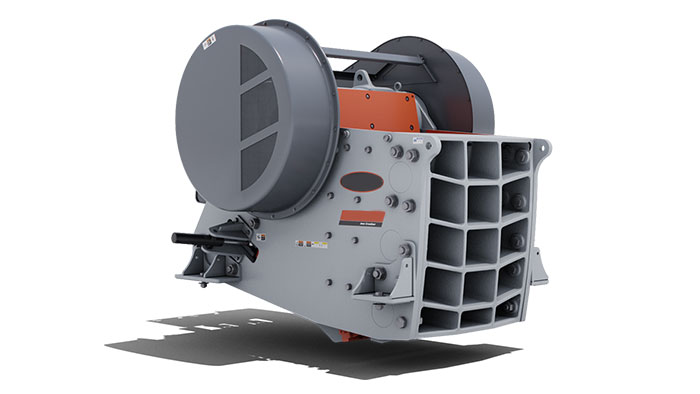
Jaw crusher
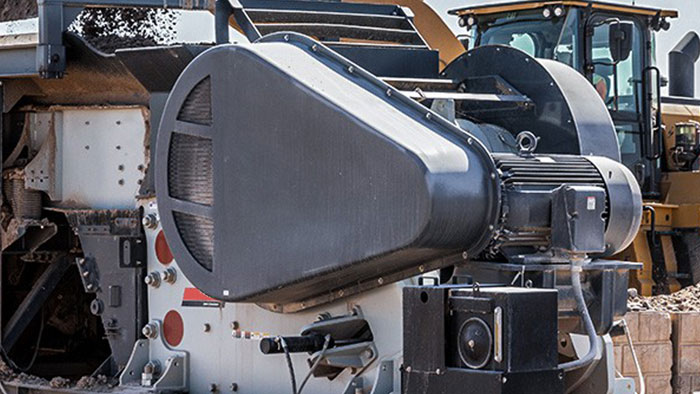
| model | 3455B |
| Feed opening | 860 x 1,400 mm(34″ x 55 ″) |
| Max feed size | 691 mm(27.2″) |
| CSS Range | 100 – 200 mm (4″ – 8″ ) |
| Capacity(by hour) | 170 – 560 Mtph (353 – 880 Stph) |
*Note: The processing capacity of the 3455B jaw crusher may vary with different materials and feeding sizes.
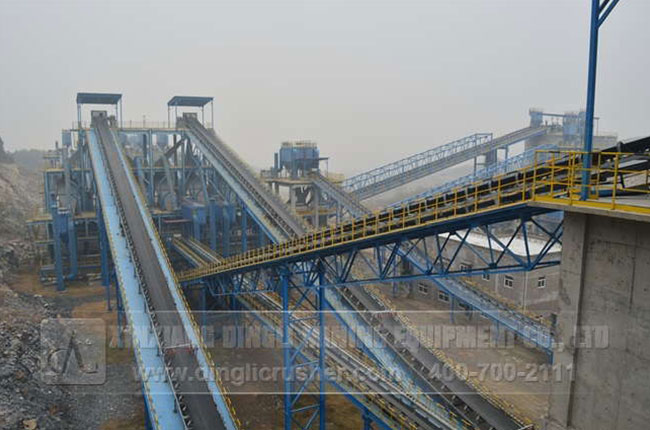
With multi-stage crushing method being adopted in the production line the raw limestone material with relatively large particle size can be fully crushed into the finished material with fine grain shape continuous size distribution.
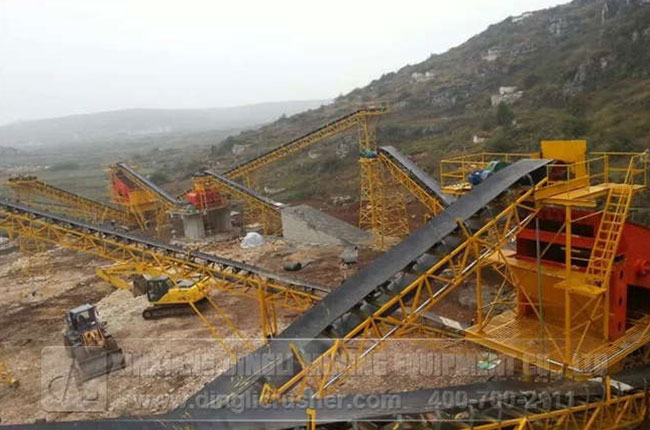
Equipment Configuration of Production Line Model Power Units Price Vibrating Feeder ZG2050 Vibrating Feeder 15*2 1 Contact us for details Heavy Hammer Crusher PCZ1820 Heavy Hammer Crusher 450*2
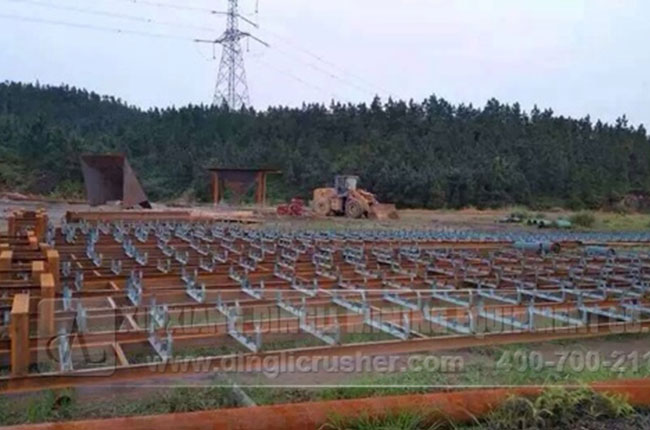
The 200t/h stone production line configuration is PCZ1510 heavy hammer crusher ZG0938 vibrating feeder 2YK1560 vibrating screen*2 sets.
Selecting the right jaw crusher is crucial for achieving optimal performance and efficiency in various applications. Several factors must be considered to ensure that the chosen machine meets the specific requirements of your operation. Here’s a guide to help you choose the most suitable jaw crusher.
Identify the primary application for the jaw crusher. Whether it’s for mining, quarrying, river gravel, or recycling concrete, each application may require a different type of jaw crusher. Consider the material characteristics, such as hardness, abrasiveness, and moisture content.
Determine the desired capacity and throughput rate. The size and configuration of the jaw crusher should match the volume of material you plan to process. Higher capacity models will be more appropriate for large-scale operations, while smaller units may suffice for smaller projects.
Understand the feed size and the desired product size. The maximum feed size should be compatible with the crusher’s opening, and the final product size should meet the specifications required for your application. Adjusting the closed-side setting (CSS) can help achieve the desired output size.
Look for a jaw crusher with high-grade cast steel components and durable wear parts. These features ensure that the machine can handle heavy loads and last longer, reducing the frequency of maintenance and repairs.
Consider the level of automation and ease of use. Features like hydraulic wedge adjustment systems allow for simple and precise control of the crusher’s settings. Automation can improve efficiency and reduce the risk of human error.
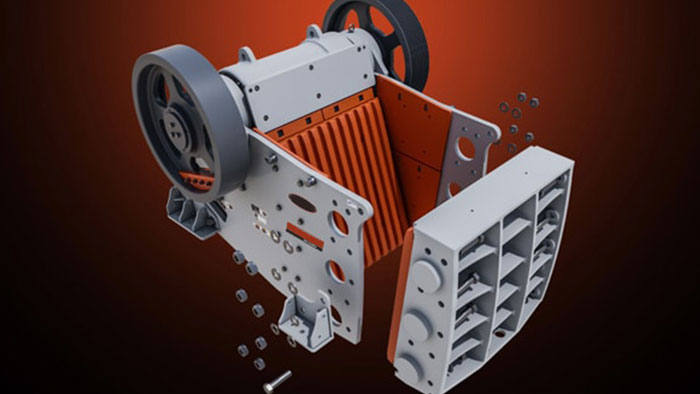
Choose a model with easy access for maintenance and inspection. Features like mid-mount base frames and composite drive guards facilitate quicker and safer servicing. Regular maintenance is crucial for prolonging the life of the equipment.
Evaluate the environmental impact of the jaw crusher. Noise reduction technologies and dust suppression systems can help minimize the machine’s footprint. Compliance with environmental regulations is essential for sustainable operations.
Ensure that the manufacturer offers reliable support and after-sales services. Technical assistance, spare parts availability, and training programs can help maintain the crusher’s performance and uptime.
Consider your budget and the return on investment (ROI). While initial costs are important, the total cost of ownership, including maintenance and operational expenses, should be factored into your decision-making process. Opt for a model that balances cost-effectiveness with performance.
Think about the future needs of your operation. A jaw crusher that can be easily upgraded or scaled up may be more beneficial in the long run, especially if your operation is expected to grow.
By carefully evaluating these factors, you can select a jaw crusher that best suits your operational needs. The right choice can lead to improved productivity, reduced downtime, and enhanced profitability.
We are present worldwide and always here to help.
Get in touch today!