 Sand Aggregate IndustryComprehensive Service ProviderSand Aggregate IndustryComprehensive Service Provider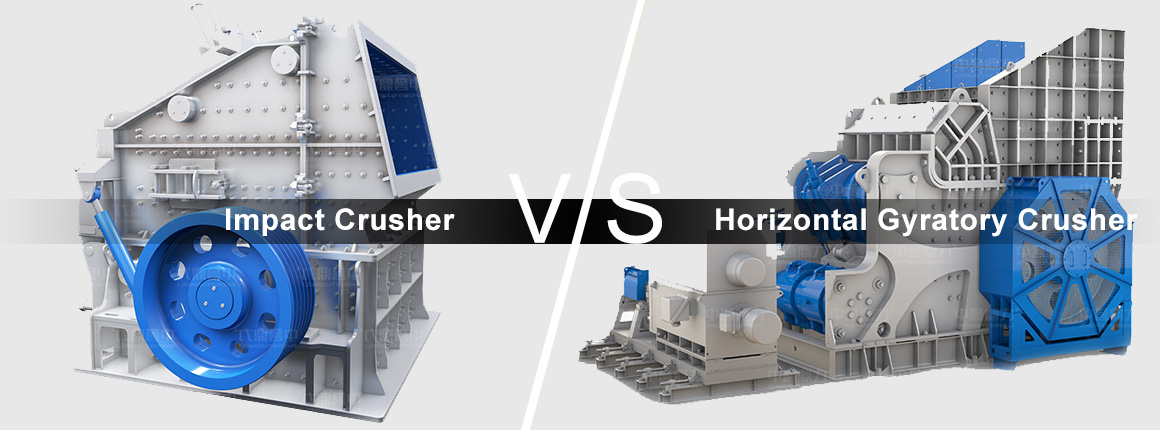
In the realm of mineral processing and aggregate production, both impact crushers and horizontal gyratory crushers play crucial roles. Understanding their differences is essential for selecting the right equipment based on specific needs. This article provides a detailed comparison of these two types of crushers, highlighting their structural design, working principles, performance parameters, and applications.
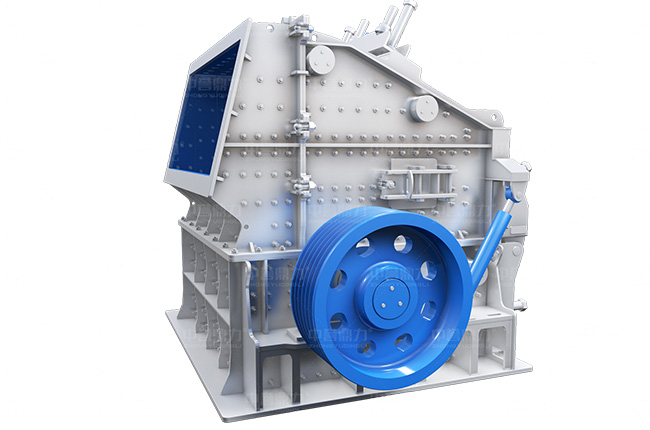
Structure: Impact crushers feature a simpler design with a rotor and blow bars. The design is less complex compared to gyratory crushers, which translates to lower manufacturing costs and easier maintenance.
Footprint: They have a relatively small footprint, making them suitable for operations where space is limited.
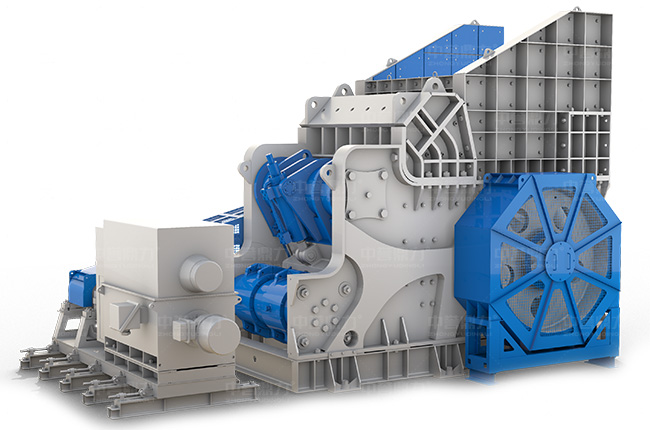
Structure: The Horizontal Gyratory Crusher has a more complex structure, including a heavy-duty frame, eccentric shaft, crushing cone, and base. This design allows it to handle more significant crushing forces and is suitable for large-scale production.
Footprint: Due to its larger size, it requires more space, which can be a consideration in site planning.
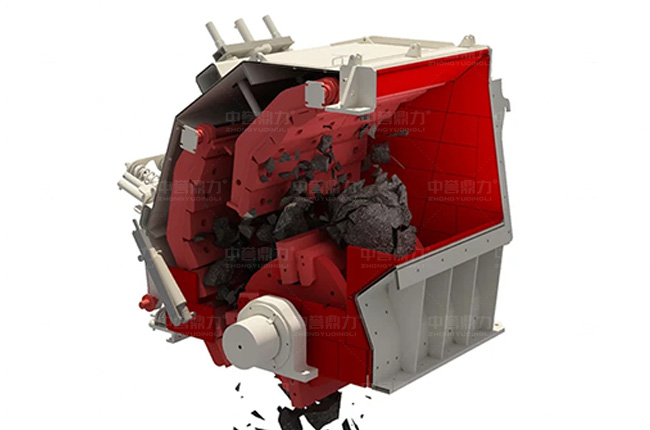
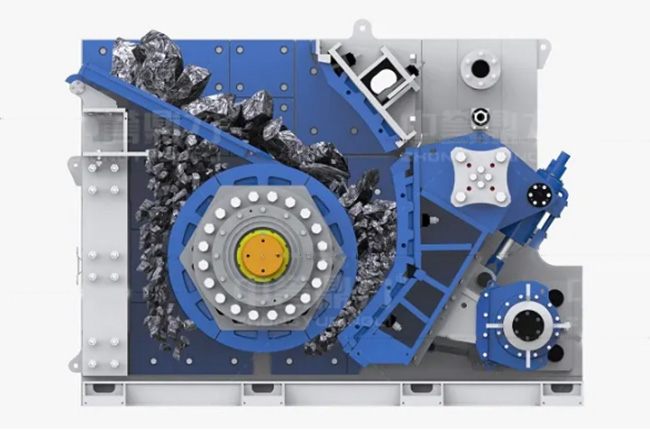
Working Principle: Impact crushers work by using high-speed impact forces to break down materials. The rotor spins at high speed, and material is struck by the blow bars and thrown against a stationary impact plate, causing the material to break apart.
Operation: This type of crusher is ideal for processing medium-hard to soft materials and is effective in producing cubical-shaped products.
Working Principle: The Horizontal Gyratory Crusher utilizes a rotating crushing cone driven by an eccentric shaft. Material enters through the top and is subjected to continuous impact and compression between the crushing cone and the stationary concave. The material is crushed and gradually falls through the machine.
Operation: This continuous crushing method is effective for handling large volumes of hard and abrasive materials.
| Parameter | Impact Crusher | Horizontal Gyratory Crusher |
| Crushing Ratio: | 10-30 | 6-13.5 |
| Feed Size: | ≤800mm | ≤1200mm |
| Output Size: | 10-200mm | 70-250mm |
| Material Hardness: | ≤300MPa | ≤320MPa |
| Capacity: | 50-2000t/h | 2500-3500t/h |
Versatile Applications: Suitable for a wide range of materials, including limestone, granite, and concrete.
High Efficiency: Known for producing high-quality cubical products and efficient crushing of softer materials.
Maintenance: Simpler design means easier maintenance and lower operational costs.
High Throughput: Capable of handling large volumes of material with high crushing efficiency.
Durability: Robust construction and long service life due to its heavy-duty design.
Uniform Output: Provides a consistent and uniform product size, making it suitable for primary crushing of large and hard materials.
Applications: Often used in secondary and tertiary crushing stages, ideal for processing softer and less abrasive materials.
Common Uses: Aggregate production, recycling of construction waste, and in industries like mining and quarrying.
Applications: Primarily used in large-scale mining and industrial applications, where high throughput and processing of hard materials are required.
Common Uses: Suitable for primary crushing of ores, rocks, and other hard materials in mining and heavy industry.
Cost: Generally lower initial investment compared to horizontal gyratory crushers. Lower operational costs due to simpler design and ease of maintenance.
Maintenance: Easier to maintain with less downtime and lower maintenance costs.
Cost: Higher initial investment and operational costs due to complex design and larger size.
Maintenance: Requires more specialized maintenance, potentially resulting in higher downtime and costs.
Both impact crushers and horizontal gyratory crushers have distinct advantages. Impact crushers offer versatility and lower costs, making them suitable for a range of applications. On the other hand, horizontal gyratory crushers provide high capacity and durability, ideal for large-scale operations dealing with hard materials. Choosing between these crushers depends on factors like material type, processing needs, and budget considerations.
Are you still hesitating about how to choose a crushing equipment? Click the button below to learn more details
Chat Online
Free consultation on related issues.