 Sand Aggregate IndustryComprehensive Service ProviderSand Aggregate IndustryComprehensive Service Provider
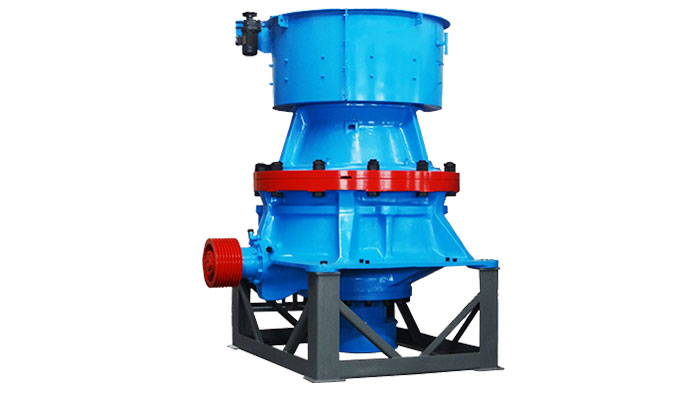
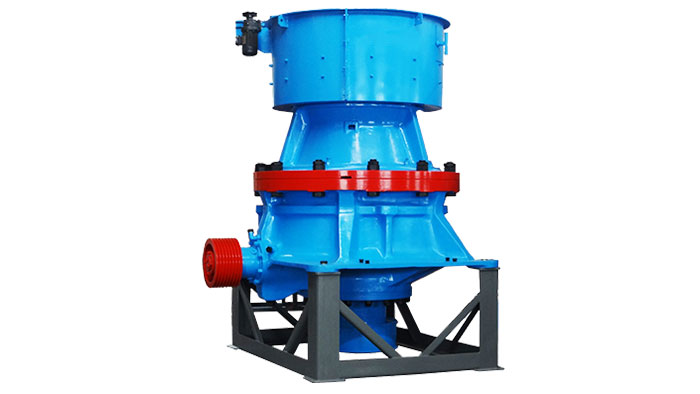
Cone Crusher
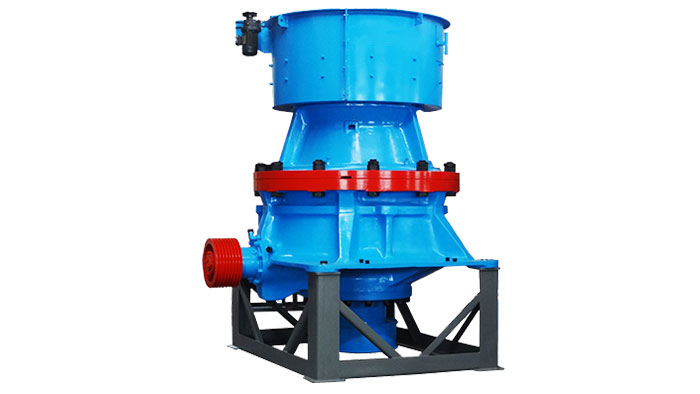
| Model | AF45 | ||||||
| Feed Size (mm) | Screen Hole Size (mm) | Throughput | |||||
| max | min | 5 | 13 | 20 | 30 | 40 | (t/h) |
| 100 | 0 | 60 | 105 | 140 | 195 | 250 | 260 |
| 20 | 60 | 100 | 130 | 170 | 215 | 220 | |
| 80 | 0 | 60 | 110 | 155 | 220 | 260 | 265 |
| 20 | 60 | 105 | 140 | 185 | 210 | 215 | |
| 60 | 0 | 65 | 125 | 185 | 260 | 265 | |
| 13 | 60 | 115 | 155 | 215 | 225 | ||
| 20 | 60 | 110 | 150 | 200 | 200 | ||
| Power | 220 kW | ||||||
*Note: The processing capacity of the AF45 cone crusher may vary with different materials and feeding sizes.
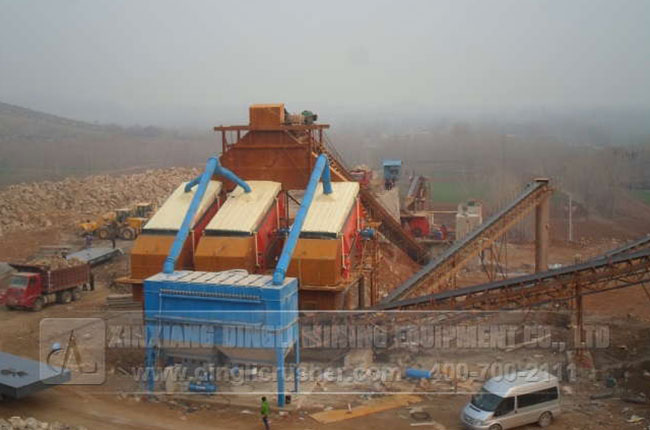
The aggregates production line of Huaibei totally meets Anhui actual situation of huge limestone resources. The heavy hammer crusher is adopted to take place traditional jaw crusher and impact crusher.
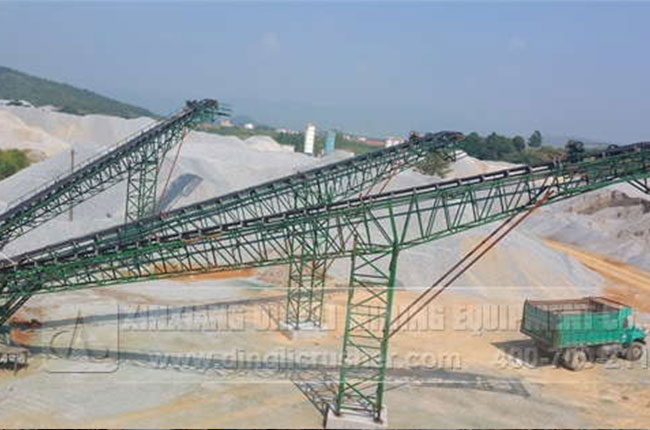
Equipment configuration: PCZ1512 heavy hammer crusher ZGC1238 vibrating screen*2 ZSJ1215 dual rotor sand making machine.
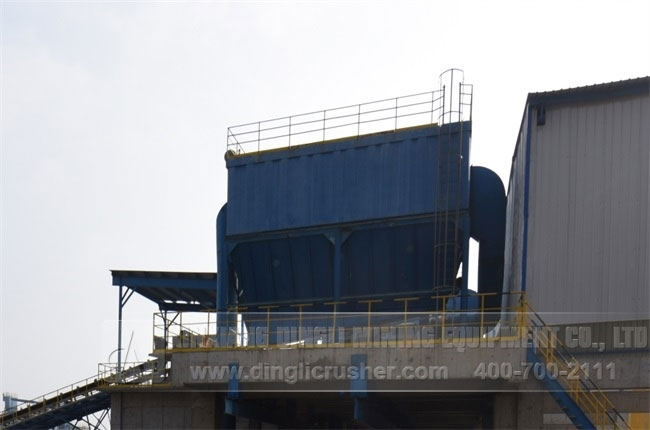
This production line is especially constructed for the building stone with wide application of finished material and optimized operation efficiency.
The product quality requirements have the following important influences on the selection of AF series cone crushers:
1. Particle Size Range and Precision
Precise Control Requirements: If the product quality standard has precise requirements for the particle size range, such as in the production of high-grade building sand or specific particle size industrial raw materials, the cone crusher needs to be able to precisely control the product particle size. Some models in the AF series have a fine discharge opening adjustment function and can be accurately adjusted within a small particle size range. For example, some models can control the product particle size within the range of ±2mm, ensuring that the output material particle size meets strict quality standards.
Uniformity of Particle Size Distribution: Product quality also involves the uniformity of particle size distribution. For some industries with high requirements for product consistency, such as glass manufacturing and precision casting, the cone crusher needs to be able to make the particle size distribution of the crushed material relatively concentrated. The special crushing chamber design of the AF series cone crusher, based on the laminated crushing principle, can fully crush and mix the material in the crushing chamber during the crushing process, making the product particle size distribution more uniform and improving product quality.
2. Limitation of Fine Powder Content
In some product application scenarios, such as the production of high-quality concrete aggregates, there are strict limitations on the fine powder content. Because excessive fine powder will affect the performance of concrete. When selecting an AF series cone crusher, it is necessary to consider the impact of its crushing method on the amount of fine powder generated. Some models can effectively reduce the generation of fine powder while ensuring the product particle size by optimizing the crushing chamber type and crushing parameters. For example, using an appropriate combination of stroke and crushing frequency can prevent the material from being over-crushed during the crushing process, thus controlling the fine powder content at a low level to meet the product quality requirements.
1. Particle Shape Requirements
Requirement for Cubic Particles: For some application scenarios in the construction industry, such as the production of high-performance concrete, it is required that the aggregate particles be cubic. This shape of particles can provide a better interlocking structure and enhance the strength of concrete. Some models in the AF series can make the product particles closer to a cubic shape during the crushing process through a reasonable crushing chamber design and crushing force distribution. For example, the shape of the crushing chamber and the design of the liner can guide the material to be crushed in a specific direction during the crushing process, reducing the generation of flaky and long-strip particles and improving the particle shape quality of the product.
Surface Quality of Particles: The surface quality of product particles also affects their performance. If the particle surface is too rough or has too many edges and corners, it may affect its fluidity or bonding performance with other materials in some applications. During the crushing process of the AF series cone crusher, some advanced crushing technologies can make the particle surface relatively smooth without affecting its overall strength and particle size. For example, by optimizing the movement trajectory of the material inside the crushing chamber and the crushing method, the excessive friction and collision between particles can be reduced, thus improving the surface quality of the particles.
1. Prevention of Metal Impurities from Mixing In
In the production of high-purity products, such as quartz sand for the electronics industry, the impurity content requirements are extremely high. During the operation of the cone crusher, metal impurities may be mixed into the product due to component wear and other reasons. Therefore, when selecting an AF series cone crusher, it is necessary to consider the quality of the wear parts and the structural design of the equipment. High-quality wear parts, such as the crushing wall and the concave, have good wear resistance and a long service life, which can reduce the metal impurities generated by wear. At the same time, the sealing performance of the equipment is also critical. A good sealing structure can prevent external impurities from entering the crushing chamber and ensure the purity of the product.
2. Reduction of Other Impurity Contents
If the raw material contains a small amount of impurities such as soil and organic matter, the screening and impurity removal functions of the cone crusher are particularly important. Some AF series cone crushers can cooperate well with other auxiliary equipment (such as vibrating screens and sand washing machines) to effectively remove impurities during the crushing process. For example, when crushing limestone, the soil and other impurities mixed in it can be separated from the qualified limestone particles through a reasonable feeding and discharging design, improving the purity of the product and meeting the product quality requirements.
We are present worldwide and always here to help.
Get in touch today!