 Sand Aggregate IndustryComprehensive Service ProviderSand Aggregate IndustryComprehensive Service Provider
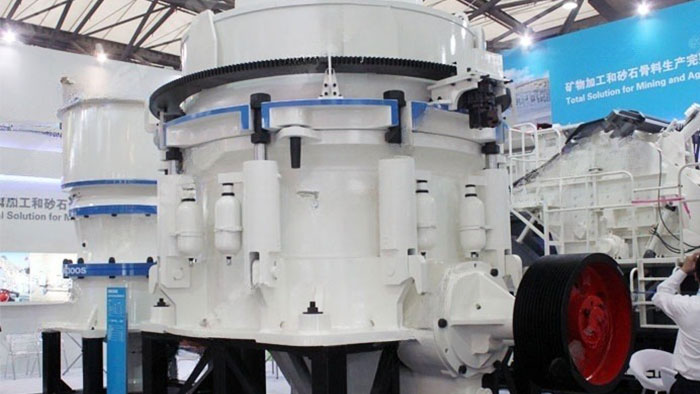
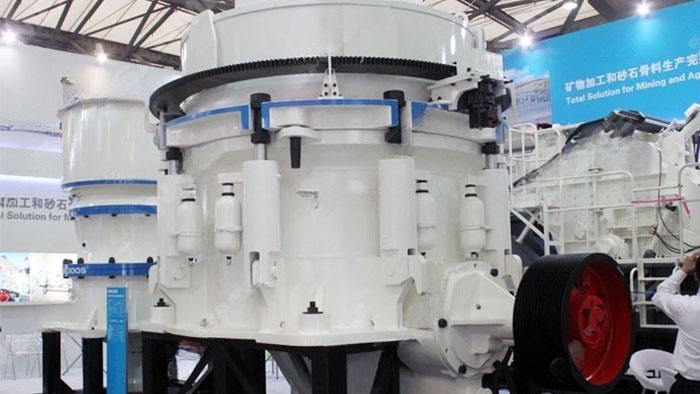
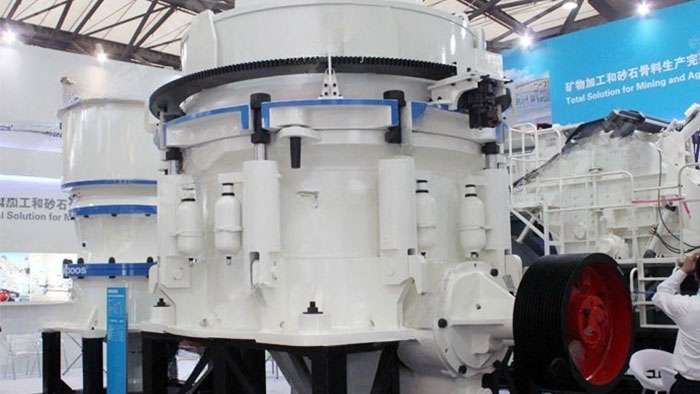
Cone Crusher
| Model | Motor Power (kW) | Chamber Type | Closed - side Feeding Port (mm) | Open - side Feeding Port (mm) | Minimum Discharge Port (mm) | Production Capacity (t/h) Open circuit, Closed side Discharge Port (mm) | |||||||
| 10 | 12 | 15 | 20 | 25 | 32 | 40 | 45 | ||||||
| E - SMS3000 | 200 - 220 | EC | 233 | 267 | 25 | 115 - 140 | 130 - 160 | 170 - 200 | 200 - 240 | 230 - 280 | 250 - 320 | 300 - 380 | 350 - 440 |
| C | 211 | 240 | 20 | ||||||||||
| M | 150 | 190 | 15 | ||||||||||
| F | 107 | 148 | 12 | ||||||||||
| DC | 77 | 123 | 10 | ||||||||||
| DM | 53 | 100 | 8 | ||||||||||
| DF | 25 | 72 | 6 | ||||||||||
*Note: The processing capacity of the E-SMS3000 cone crusher may vary with different materials and feeding sizes.
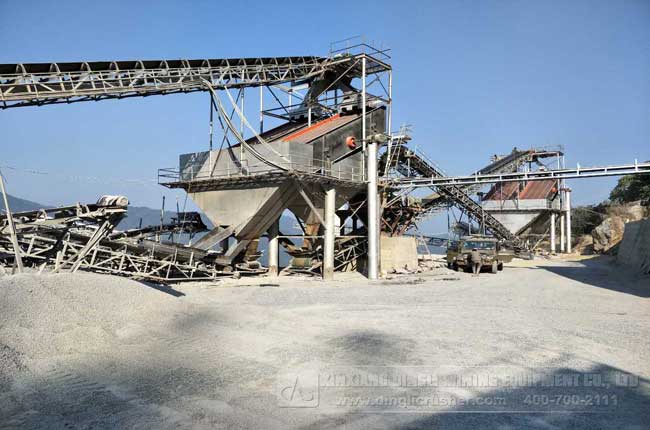
This production line has a compact design that various finished materials can be transported into the needed place by trucks directly.
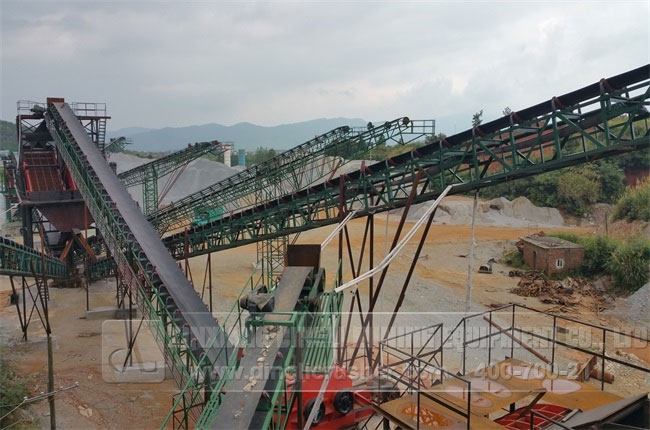
Equipment configuration: PCZ1512 heavy hammer crusher ZGC1250 vibrating feeder YK1860 vibrating screen*2 sets
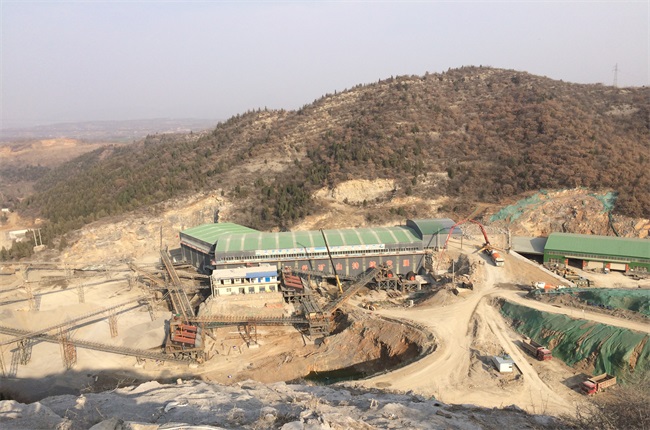
In this production line it is configured on the green mining policy that can discharge various materials regularly.
In the mining and construction industries, the normal operation of the E - SMS3000 crusher is crucial. Mastering the maintenance points can extend the service life of the equipment and ensure production efficiency.
Before starting the equipment every day, a comprehensive visual inspection of the equipment is required. Check if there is any damage, deformation, or cracks on the outer shell. Check whether the bolts at the connection points are tightened, with particular attention to key parts such as the crushing chamber, motor, and pulley. Check the oil level and oil temperature of the hydraulic system. The oil level should be within the specified range, and the oil temperature should be normal (15 - 55 °C). At the same time, check the lubrication system to ensure that there is sufficient lubricating oil at each lubrication point and that the lubrication pipelines are unobstructed and leak - free.
During the operation of the equipment, pay close attention to the operating sound and vibration. The normal operating sound should be smooth without abnormal noise, and the vibration amplitude should be within a reasonable range. If there is abnormal sound or excessive vibration, it may indicate that the internal components are damaged or severely worn, and the equipment should be shut down immediately for inspection. At the same time, observe the operating parameters of the motor. The current and voltage should be stable within the rated value range. Any abnormality needs to be investigated in a timely manner.
Replace the hydraulic oil every 3 - 6 months. At the same time, clean the hydraulic oil tank and replace the hydraulic oil filter. Check the working performance of the hydraulic pump, hydraulic cylinder, and hydraulic valve to ensure the stable operation of the hydraulic system.
Regularly check the wear condition of the internal components of the crushing chamber according to the amount of processed materials and the running time. When the wear of the liner exceeds one - third of its original thickness, it should be replaced in a timely manner. After replacement, ensure correct installation and tightness, and ensure that the gap between the crushing cone and the liner is even.
For belt - driven equipment, check the tension and wear of the belt every 1 - 2 months, and adjust the tension or replace the belt according to the situation. For gear - driven equipment, check the gear engagement and tooth surface wear, and add or replace gear lubricating oil regularly.
Reduced Production Capacity: First, check whether the feeding system is normal. If it is normal, then check the wear condition of the internal components of the crushing chamber.
Abnormal Equipment Vibration: First, check the foundation bolts and foundation. If they are normal, then check whether there are foreign objects in the crushing chamber or whether the components are damaged or unbalanced.
Hydraulic System Failure: First, check whether the hydraulic oil is leaking and whether the hydraulic pump is working properly. If the hydraulic pump is normal, then check whether the hydraulic valve is blocked or damaged.
When performing maintenance, cut off the power supply first and hang a warning sign. Select genuine accessories that meet the specifications and quality requirements, and strictly follow the installation instructions. After maintenance, conduct comprehensive debugging and trial operation to ensure that the equipment is in normal condition before putting it into production.
We are present worldwide and always here to help.
Get in touch today!