 Sand Aggregate IndustryComprehensive Service ProviderSand Aggregate IndustryComprehensive Service Provider
Cone Crusher
| Model | Motor Power (kW) | Chamber Type | Closed side Feeding Port (mm) | Open side Feeding Port (mm) | Minimum Discharge Port (mm) | Production Capacity (t/h) Open circuit, Closed side Discharge Port (mm) | ||||||||
| 10 | 12 | 15 | 20 | 25 | 32 | 40 | 45 | 52 | ||||||
| E - SMS8000 | 630 - 420 | EC | 353 | 375 | 32 | 260 - 335 | 320 - 420 | 380 - 500 | 440 - 550 | 495 - 730 | 545 - 800 | 620 - 960 | 690 - 1050 | 790 - 1200 |
| C | 297 | 340 | 32 | |||||||||||
| M | 267 | 308 | 25 | |||||||||||
| F | 219 | 264 | 16 | |||||||||||
| DC | 155 | 210 | 13 | |||||||||||
| DM | 92 | 150 | 10 | |||||||||||
| DF | 33 | 98 | 5 | |||||||||||
*Note: The processing capacity of the E-SMS8000 cone crusher may vary with different materials and feeding sizes.
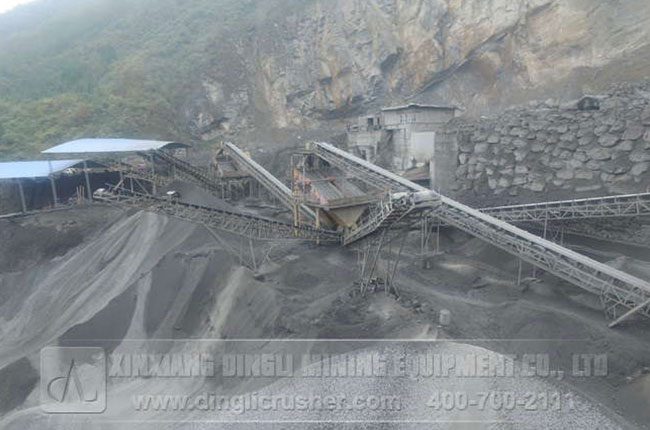
In this production line we get to know that the bulk material should be firstly crushed by crusher for large size finished material and then it is crushed into smaller ones for little stones.
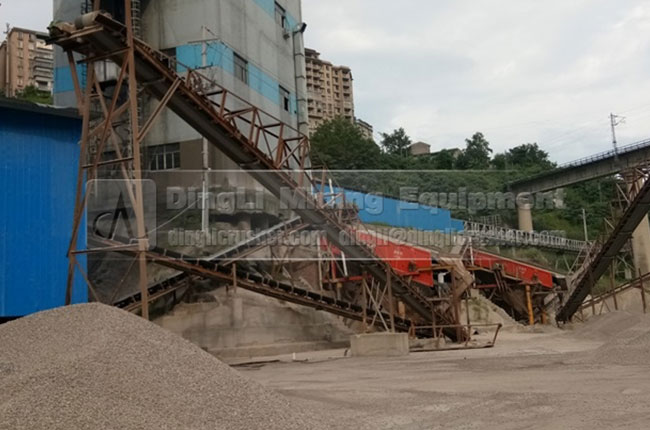
Relying on local river pebble resource the customer invests such a 300tph stone crushing line. Our KPC1313 hard rock crusher adopts the rotor with two rows of hammers so it can fully crush the materials. Hydraulic cylinder pulls the the s
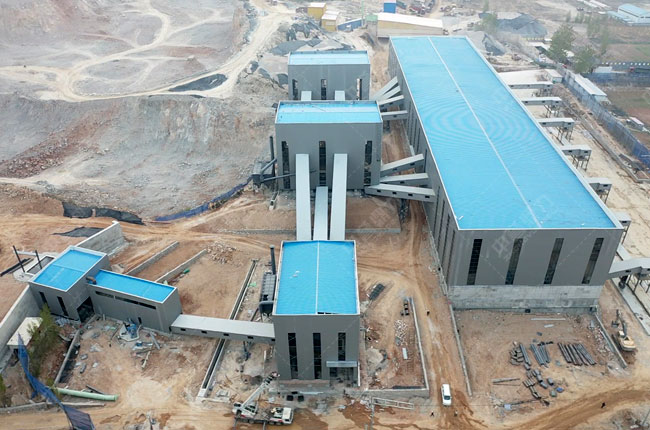
DLPCZ1820 heavy hammer breaking and DLPC1220 shaping hammer crusher, after putting into operation, can produce 800-1500 tons of stone per hour, finished stone particle shape uniform, good particle shape.
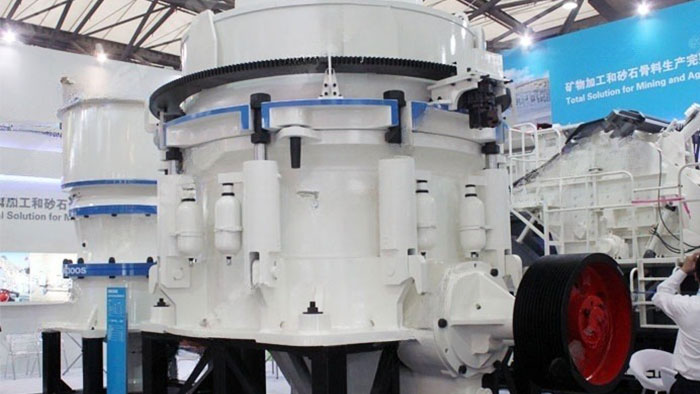
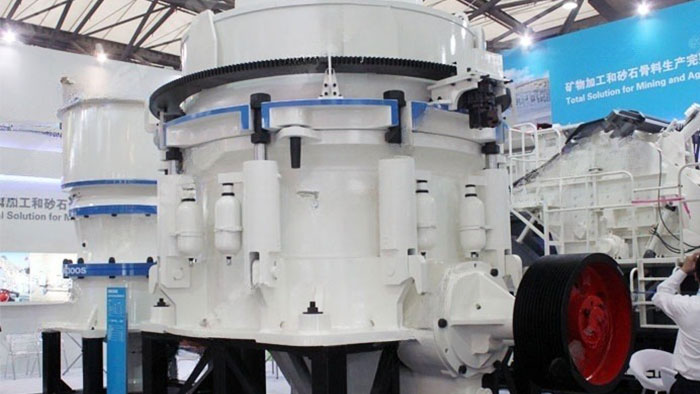
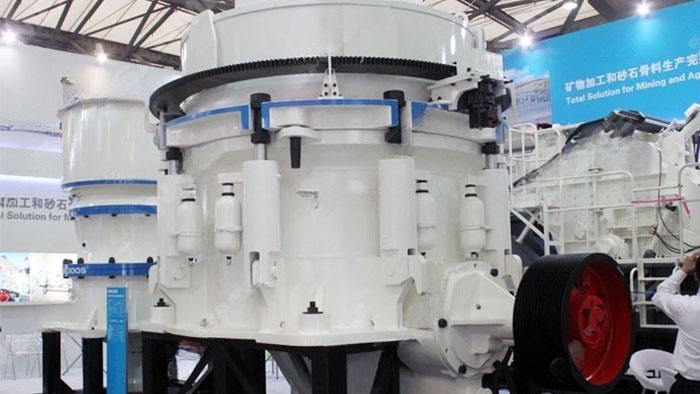
The E - SMS8000 crusher adopts hydraulic cone crushing technology. The motor drives the eccentric sleeve, causing the crushing cone to swing. After the materials enter the crushing chamber, they are crushed by squeezing, grinding, and breaking between the crushing cone and the bowl liner.
The hydraulic system is crucial. It can control the movement of the crushing cone and automatically adjust the crushing force according to the hardness of the materials and the feeding amount. For example, when encountering hard ores, it can automatically increase the crushing force. When the feeding amount suddenly increases, it can reasonably distribute the force to prevent overload and maintain efficiency.
- Check the appearance of the equipment to see if there are any loose, missing, or damaged parts.
- Confirm that the oil level of the hydraulic system is within the specified range and the oil temperature is between 15 - 55 °C.
- Check whether the grease or lubricating oil of the lubrication system is sufficient and whether each lubrication point is effectively lubricated.
- Pay attention to the operating sound and vibration of the equipment. The sound should be smooth without abnormal noise, and the vibration amplitude should be normal. If there is an abnormality, it may indicate that the parts are damaged or worn, and the equipment needs to be shut down for inspection.
- Observe the parameters such as the current and voltage of the motor to ensure that they are within the rated value range.
- Replace the hydraulic oil every 3 - 6 months, and clean the oil tank and replace the filter at the same time.
- Check the performance of the hydraulic pump, cylinder, and valves to ensure the stable operation of the system.
- Check the wear of the liner, crushing cone, etc. according to the amount of processed materials and the running time. If the wear of the liner exceeds one - third of its original thickness, it needs to be replaced.
- After replacing the parts, ensure correct installation and tightness, and debug the crushing chamber to ensure even gaps.
- For belt - driven: Check the tension and wear of the belt every 1 - 2 months. If it is too loose, it will slip, and severe wear may cause breakage.
- For gear - driven: Check the gear engagement and tooth surface wear, and add or replace the lubricating oil regularly.
We are present worldwide and always here to help.
Get in touch today!