 Sand Aggregate IndustryComprehensive Service ProviderSand Aggregate IndustryComprehensive Service Provider
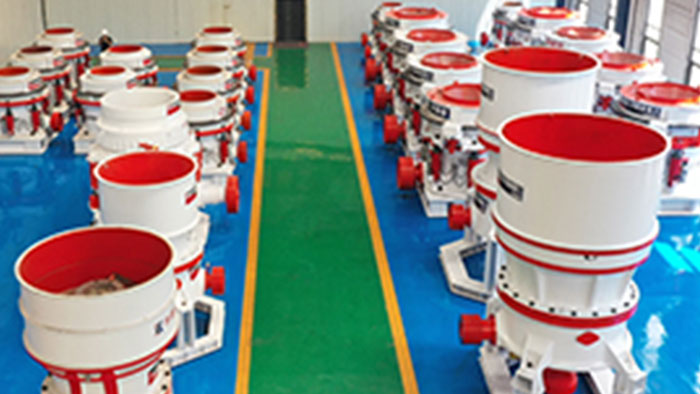
Cone Crusher
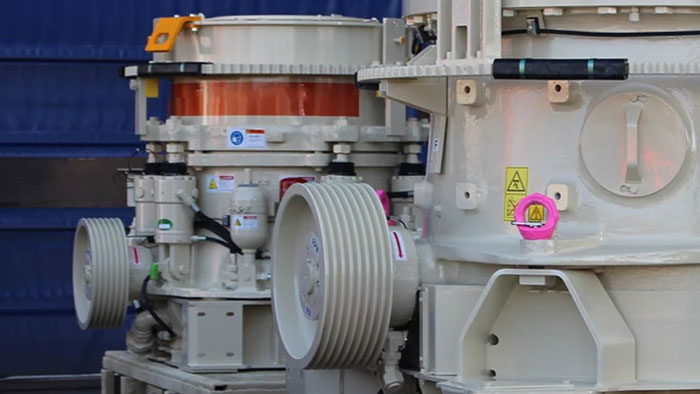
| Model | HP200 | |
| Head diameter | 940 mm | 37" |
| Feed opening | 185 mm | 7" |
| Maximum capacity | 250 Mtph | 275 Stph |
| Motor power | 132 kW | 200 hp |
| Weight (complete crusher) | 12,160 kg | 26,800 lbs |
*Note: The processing capacity of the HP200 cone crusher may vary with different materials and feeding sizes.
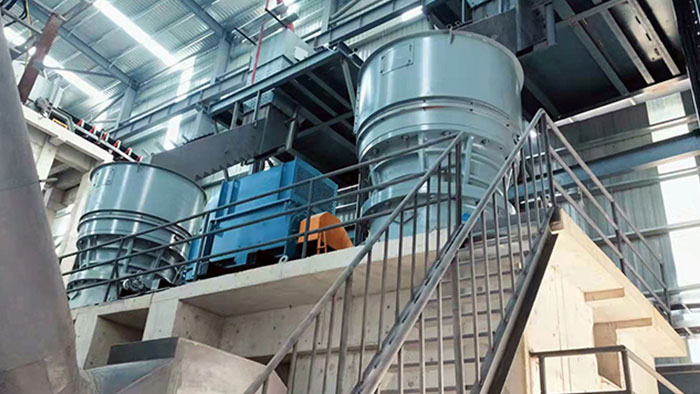
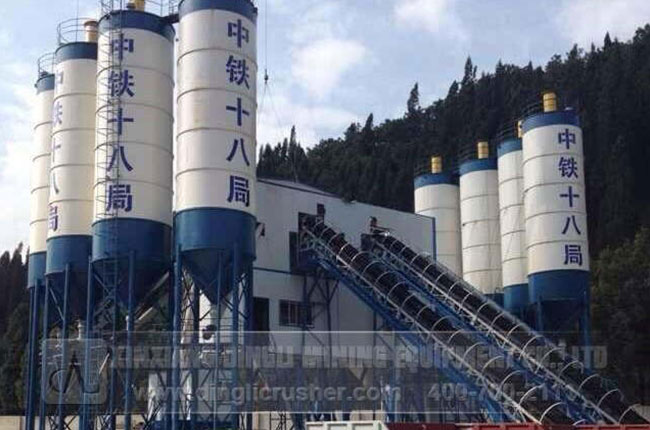
It is seen at the production site the large stone with particle size not exceeding 1.6 is directly crushed by the crusher and then the finished material in line with concrete preparation is screened by the vibrating screen.
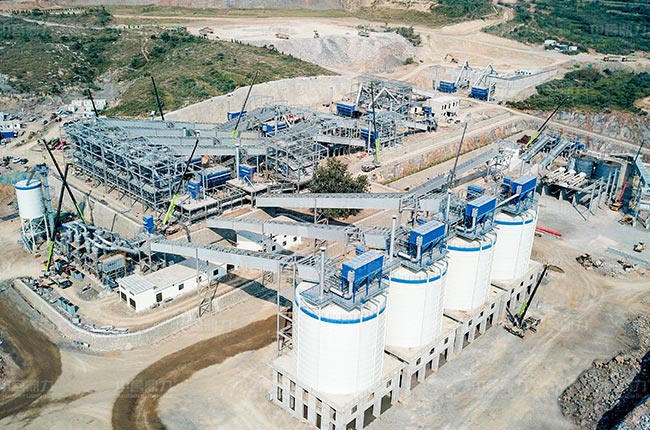
The two production lines can be independent to meet the production needs of off-peak season. The screening and powder selection links adopt highly compact building design to reduce the floor area. The sand washing link has water recycling design to reduce the waste of water resources and reduce the production cost.
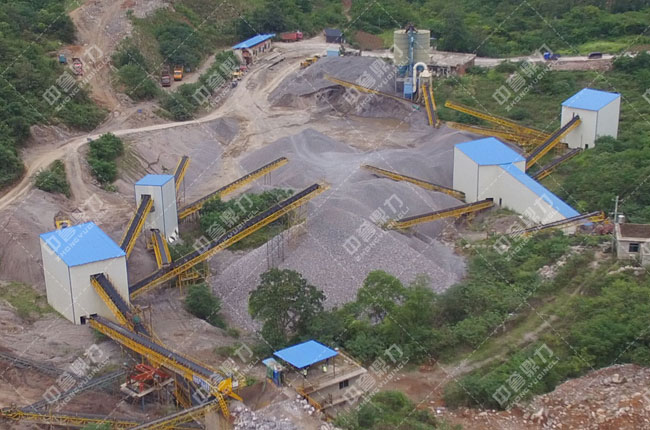
Work Process The raw materials (bulk limestone)are first sent by the ZGC vibrating feederto PCZ1615 heavy hammer crusher for primary crushing. Then the materialsare processed by two sets of 3YKZ2470 vibrating screen for gradation. Those with qualifie
The HP200 cone crusher, with its 940 mm (37") mantle diameter and 132 kW (200 hp) installed power, demands proper maintenance for stable performance and long - term use.
Daily, visually inspect the crusher's exterior. Look for any signs of damage like cracks or dents on the frame. Check all bolts connecting different parts. Loose bolts can lead to vibrations and component failures. Tighten them immediately if found loose.
Inspect the crushing chamber. Check the wear of the liners. Excessive wear can affect the quality of the crushed product. If the wear exceeds the limit, replace the liners promptly. Also, make sure there are no foreign objects left in the chamber, as they can disrupt the crushing process.
For the drive system, check the tension of belts or chains. Incorrect tension can cause slipping or excessive stress. Adjust it according to the manual. Examine the belts and chains for any signs of wear or breakage. Replace them if necessary. Also, listen for any abnormal noises from gears, bearings, etc., which may indicate problems.
Verify the oil level in the lubrication system. Low oil levels can cause overheating and rapid wear of moving parts. Check the quality of the lubricating oil; if it's dirty or degraded, replace it. Inspect the entire system for leaks or blockages in pumps, pipes, and filters.
Inspect the electrical control cabinet. Look for loose, overheated, or burnt components. Check the wiring for any signs of damage or aging. Ensure proper grounding of the electrical system to prevent electrical hazards.
Regularly clean the crusher. Use compressed air or a vacuum to remove dust and debris from the surface and inside. Wipe the exterior with a damp cloth to remove oil stains. Keep all components clean for better heat dissipation and to avoid premature wear.
Based on usage frequency and working conditions, set a replacement schedule for vulnerable parts. For example, replace the crushing chamber liners, belts, or chains at appropriate intervals. Always use high - quality replacement parts.
Periodically check and adjust parameters like the discharge opening size, mantle rotation speed, and eccentricity. These adjustments ensure optimal crushing performance and product quality.
Regularly change the lubricating oil. Clean or replace the oil filter. This helps maintain the smooth operation of the lubrication system and extends the life of moving parts.
Clean and tighten electrical components in the control cabinet regularly. Test and maintain the grounding resistance of the electrical system to ensure safety.
If the crusher vibrates abnormally, stop it immediately. Check for worn - out liners, improper drive system tension, or foundation problems. Fix the issue accordingly before restarting.
In case of clogging, stop feeding and power off the crusher. Check for excessive feeding speed, oversized materials, or high material moisture. Remove the cause and clear the blockage before resuming operation.
If a component is damaged, stop the crusher. Evaluate the damage extent and cause. Replace the damaged part with a suitable one and ensure proper installation before restarting.
We are present worldwide and always here to help.
Get in touch today!