 Sand Aggregate IndustryComprehensive Service ProviderSand Aggregate IndustryComprehensive Service Provider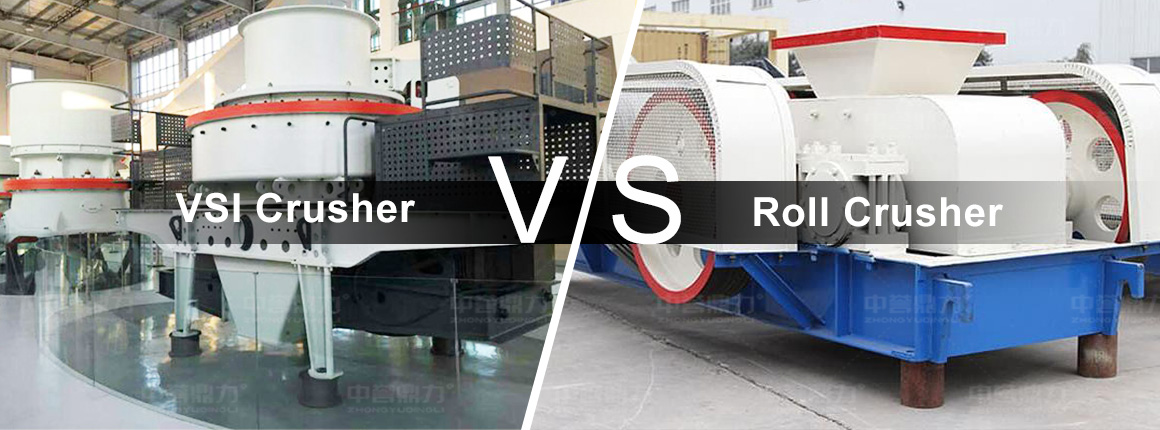
In the crushing industry, VSI (Vertical Shaft Impact) crushers and double roll crushers each offer unique advantages and applications. Although both types of crushers are used for material reduction, they differ significantly in terms of design, working principles, and areas of application. This article provides a detailed comparison and selection guide to help you choose the most suitable crusher based on your specific needs.
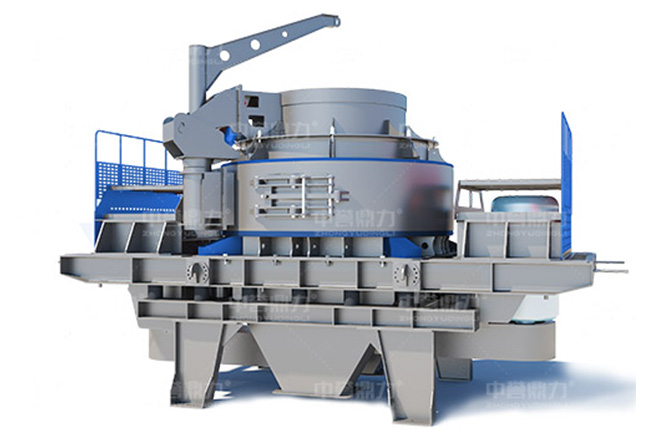
The Vertical Shaft Impact (VSI) crusher is renowned for its ability to produce high-quality cubic-shaped aggregate. It operates by using a high-speed rotating rotor and impact plates to crush materials.
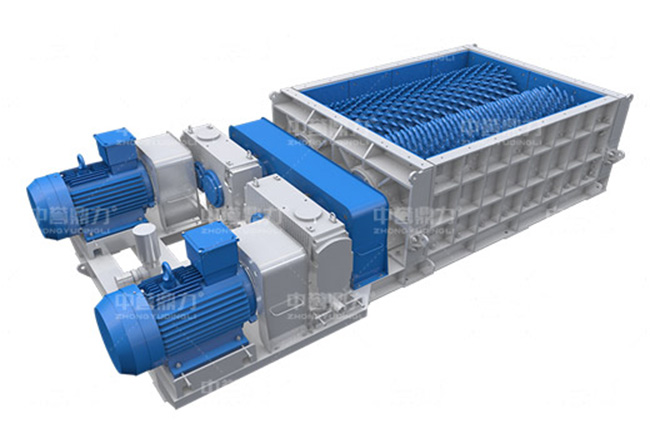
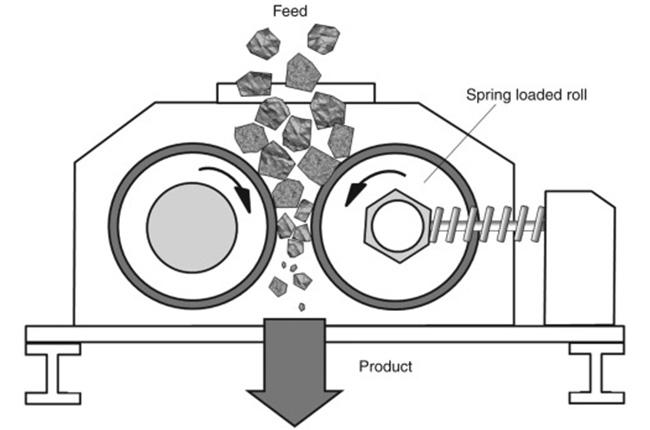
The Double Roll Crusher uses two cylindrical rolls to compress and crush materials. It is commonly used for medium to fine crushing due to its simple and robust design.
Cubic Product Shape: VSI crushers produce uniformly shaped cubic particles, reducing the occurrence of elongated particles.
High Efficiency: Suitable for producing fine and medium-sized aggregate, commonly used in sand production.
Adjustable Output: By adjusting the rotor speed and impact plate positions, the final product's size and shape can be controlled.
Versatility: Suitable for processing various materials, including rocks, ores, and even industrial waste.
Simple Structure: The double roll crusher is designed with simplicity, making maintenance and operation relatively easy.
Controlled Output Size: The gap between the rolls can be adjusted to control the final product size.
High Compression Ratio: Materials are crushed into smaller sizes through compression.
Low Energy Consumption: Typically has lower energy consumption compared to other crushers.
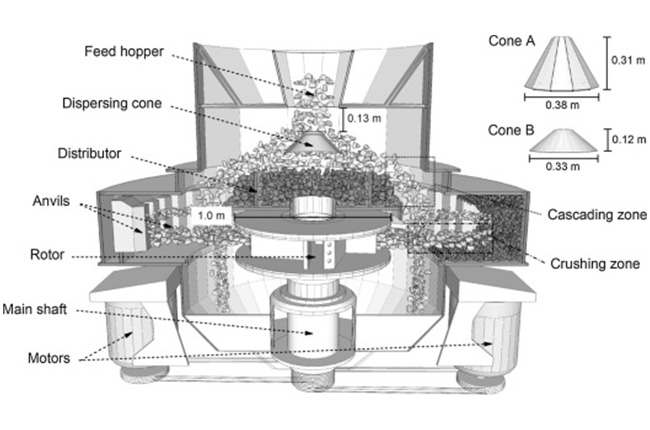
Main Components: Feed hopper, distributor, vortex crushing chamber, rotor, main shaft assembly, base drive unit, and lubrication system.
Rotor: A hollow cylindrical component made from special materials, mounted on top of the main shaft assembly, and is a crucial part of the VSI crusher.
Vortex Crushing Chamber: Where materials undergo multiple collisions for efficient sand production using "rock-on-rock" and "rock-on-iron" principles.
Main Components: Frame, drive mechanism, and two parallel cylindrical rolls.
Rolls: Typically consist of a fixed roll and a movable roll. The gap between the rolls is adjustable to control the output size.
Frame: Supports the rolls and drive mechanism, usually made of welded or cast structure.
Impact Operation: Materials enter the crushing chamber via the feed hopper and are subjected to high-speed rotation in the rotor, colliding with impact plates.
Combination of Principles: Utilizes both "rock-on-rock" and "rock-on-iron" principles, causing multiple collisions within the vortex crushing chamber to achieve high efficiency and good particle shape.
Applications: Ideal for producing high-quality, uniform aggregates and fine materials.
Compression Operation: Materials are trapped and compressed between two counter-rotating rolls, breaking them into smaller sizes.
Gap Adjustment: Materials enter the gap between the rolls and are crushed by compression to the desired particle size.
Applications: Suitable for medium-hard materials for medium to fine crushing.
Output Granularity: Typically less than 4.75 mm.
Uses: Mainly used for manufacturing sand and aggregates from materials such as river pebbles, limestone, granite, basalt, slag, quartz sand, and construction waste.
Output Granularity: Typically produces particles in the range of 1-50 mm.
Uses: Best suited for medium-hard materials like coal, limestone, and gypsum. Not suitable for very hard or highly abrasive materials.
Output Granularity: Typically less than 4.75 mm.
Uses: Mainly used for manufacturing sand and aggregates from materials such as river pebbles, limestone, granite, basalt, slag, quartz sand, and construction waste.
Output Granularity: Typically produces particles in the range of 1-50 mm.
Uses: Best suited for medium-hard materials like coal, limestone, and gypsum. Not suitable for very hard or highly abrasive materials.
Rotor Inspection: Regularly check rotor wear, especially after heavy load operations, to ensure proper function.
Vortex Chamber Maintenance: Regularly clean residual materials from the vortex chamber to prevent operational issues.
Lubrication System Care: Regularly inspect the lubrication system, including oil pumps, pipes, and oil levels, to ensure proper operation and clean oil.
Roll Inspection: Regularly check the wear on rolls and replace heavily worn parts.
Gap Adjustment: Adjust the gap between the rolls periodically according to the required output size.
Drive System Maintenance: Regularly inspect the drive system to ensure components are adequately lubricated and reduce wear.
When choosing between a VSI crusher and a double roll crusher, consider the following factors:
Particle Shape Requirements: If you require a high-quality particle shape for the final aggregate, the VSI crusher is recommended.
Material Hardness: For materials with medium hardness or below, especially when coarse or medium crushing is needed, the double roll crusher is a better choice.
Production Scale: For large-scale production, the VSI crusher is more suitable due to its higher capacity and stability.
Cost Considerations: Although the VSI crusher has a higher initial investment, its lower maintenance costs make it more economical in the long term.
Both VSI crushers and double roll crushers have their advantages and applications in the crushing industry. The choice of the right crusher should be based on the specific application and requirements. If you need to produce high-quality, uniform aggregates or handle various materials, the VSI crusher may be the better choice. Conversely, if you are dealing with medium-hard materials and need a simpler, more economical solution, the double roll crusher might be more suitable.
Are you still hesitating about how to choose a crushing equipment? Click the button below to learn more details
Chat Online
Free consultation on related issues.