 Sand Aggregate IndustryComprehensive Service ProviderSand Aggregate IndustryComprehensive Service Provider
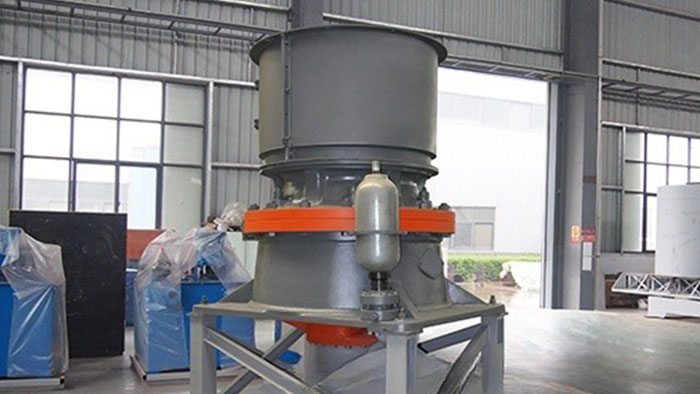
Cone Crusher
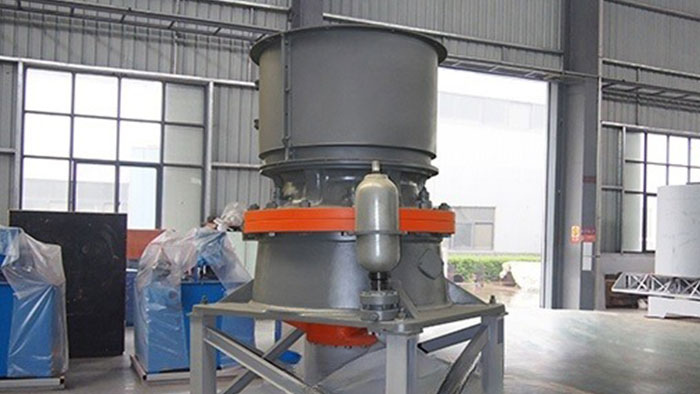
| DimensionModel | HSC315 | ||||
| Cavity Type | S1 | S2 | H1 | H2 | H3 |
| Maximum feed size (mm) | 560 | 500 | 275 | 135 | 65 |
| Minimum discharge opening (mm) | 41 | 38 | 16 | 16 | 13 |
| Processing Capacity (t/h) | 335-1050 | 305-895 | 170-665 | 190-505 | 205-320 |
| Motor power (kw) | 315 | ||||
| Machine Dimension (mm) | 2380×2735×4630 | 2380×2735×3265 | |||
*Note: The processing capacity of the HSC315 cone crusher may vary with different materials and feeding sizes.
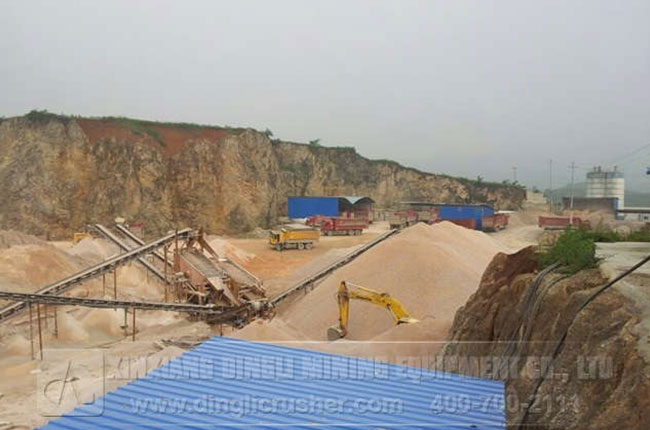
After many times site inspection material hardness and compressive strength testing and overall recognition of demanding finished material size and output Xinxiang Zhongyu Dingli lastly designed this 1000t/h fine aggregates line.
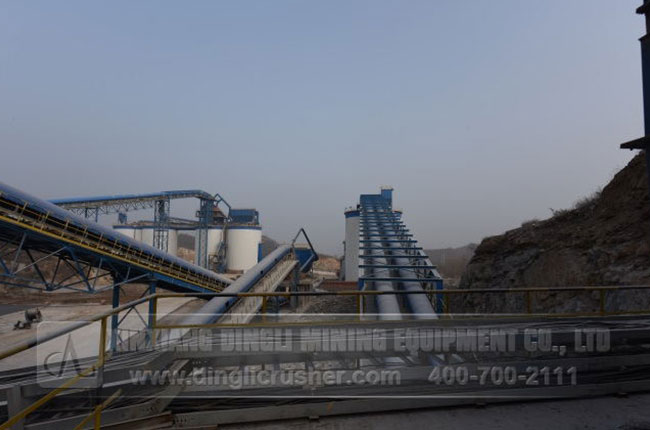
The civil engineering and process layout of this production line are both self-constructed by Xinxiang Dingli besides all the equipment selected are produced by Dingli.
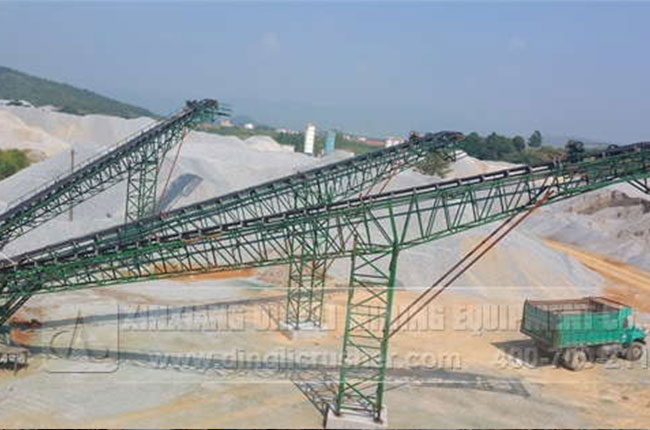
Equipment configuration: PCZ1512 heavy hammer crusher ZGC1238 vibrating screen*2 ZSJ1215 dual rotor sand making machine.
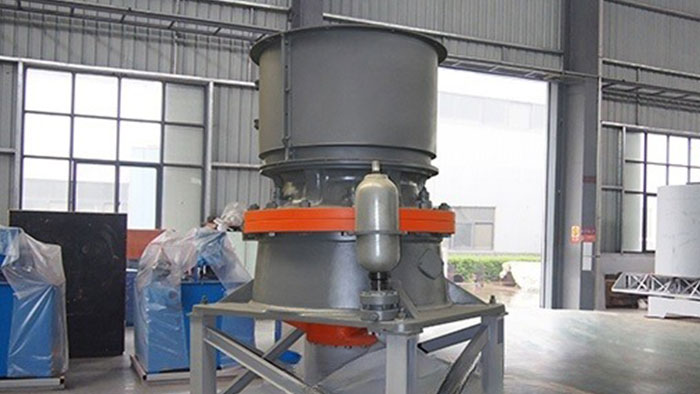
The HSC315 single - cylinder hydraulic cone crusher is a powerful equipment used in various industries. Understanding the replacement and maintenance cycle of its wear parts is crucial for ensuring its efficient and long - term operation.
Several components of the HSC315 are subject to wear during operation. The crushing wall and the concave are among the most critical wear parts. These parts directly interact with the materials being crushed and are constantly subjected to the impact and abrasion forces. The mantle, which is an integral part of the crushing mechanism, also experiences significant wear. Additionally, bearings and seals play a vital role in the smooth operation of the crusher and are prone to damage over time due to the heavy - duty operation and the presence of dust and debris.
The replacement cycle of the crushing wall and concave depends on several factors such as the hardness of the materials being crushed, the operating hours, and the feed size. In general, for crushing medium - hardness materials like limestone with a maximum feed size of around 500 - 560 mm (as per the S1 and S2 cavity types), these parts may need replacement after approximately 800 - 1000 hours of operation. However, if the crusher is used to handle harder materials such as basalt or granite, the replacement cycle might be shorter, around 600 - 800 hours.
Regular inspections are essential to monitor the wear of the crushing wall and concave. During the inspection, look for signs of uneven wear, cracks, or any deformations. If minor wear is detected, it might be possible to adjust the crusher settings to compensate for the wear and extend the life of these parts. However, if the wear exceeds a certain limit, immediate replacement is necessary to maintain the crushing efficiency and the quality of the output.
The mantle's replacement cycle is closely related to its usage and the operating conditions. Given the maximum feed sizes that the HSC315 can handle (ranging from 65 mm in the H3 cavity to 560 mm in the S1 cavity), the mantle may require replacement after 700 - 900 hours of operation when dealing with typical medium - hardness materials. For more abrasive materials, this cycle could be reduced to around 500 - 700 hours.
Check the mantle's surface regularly for any signs of chipping, flaking, or excessive wear. Ensure that it is properly lubricated to reduce friction and wear. In case of any damage, it's important to replace the mantle promptly to avoid further damage to other components and to maintain the crusher's performance.
Bearings and seals have a relatively shorter replacement cycle compared to the other major wear parts. Under normal operating conditions, bearings might need to be replaced after 400 - 600 hours of operation. Seals, which are responsible for preventing the ingress of dust and leakage of lubricants, may need replacement more frequently, approximately every 300 - 500 hours. These estimates can vary depending on the operating environment and the quality of the lubricants used.
Regularly check the lubrication of the bearings to ensure smooth operation and prevent overheating. For seals, make sure they are clean and free from any damage. Any signs of leakage around the seals should prompt an immediate inspection and replacement if necessary.
The operating conditions play a significant role in determining the wear parts replacement and maintenance cycle. For example, if the crusher is operated continuously at high capacity (close to the upper limit of the processing capacity, such as 1050 t/h in the S1 cavity), the wear parts will deteriorate more quickly. Similarly, a harsh operating environment with high levels of dust and abrasive materials will also reduce the lifespan of the wear parts. Therefore, it's essential to adjust the maintenance schedule according to the actual operating conditions.
Maintaining detailed records of the operation hours, materials processed, and any maintenance activities is crucial. By analyzing these records, it's possible to predict the wear and tear of the components more accurately and schedule the replacement and maintenance activities in a more proactive manner. This can help reduce unplanned downtime and optimize the performance of the HSC315 crusher.
Understanding the replacement and maintenance cycle of the wear parts of the HSC315 single - cylinder hydraulic cone crusher is vital for its reliable operation. By following a well - planned maintenance schedule and taking into account the operating conditions, it's possible to maximize the lifespan of the wear parts and ensure the crusher's efficient performance over an extended period.
We are present worldwide and always here to help.
Get in touch today!